
The CA Home Insurance Crisis: A Homeowner's Guide
Get practical tips on how to navigate the CA homeowners insurance crisis, find coverage, lower costs, and protect your home in a changing insurance market.
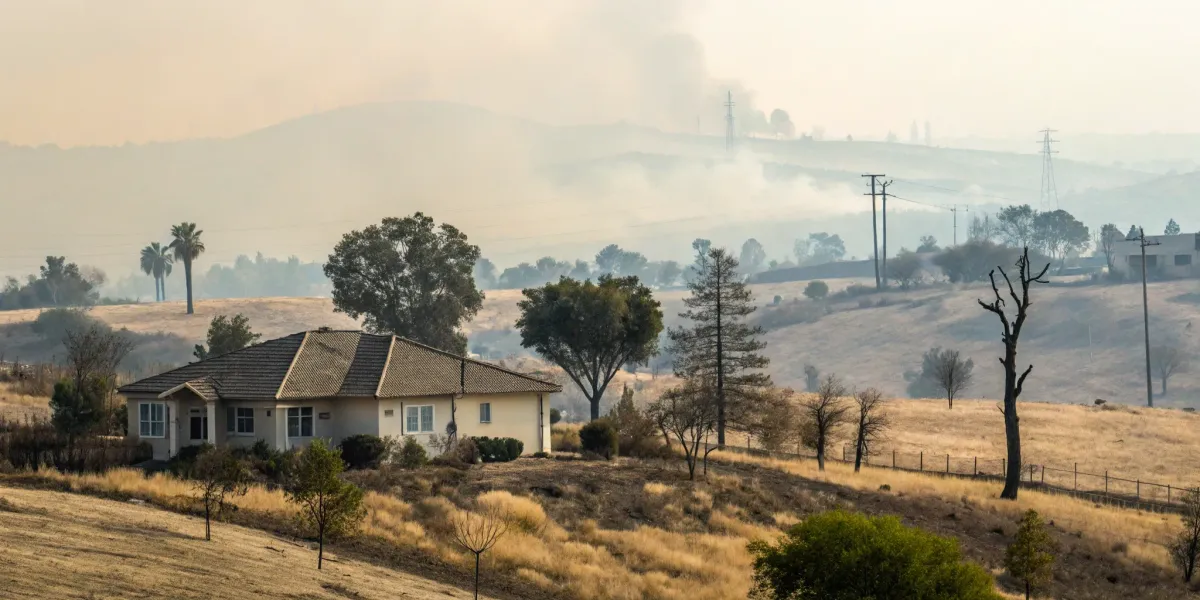
Feeling powerless against rising insurance costs and non-renewal notices is completely understandable, but you have more options than you might think. The key is to be proactive and strategic. Instead of just reacting to bad news, you can take concrete steps to make your home more insurable and find the coverage you need. From understanding your rights to making your property more fire-resistant, there are actions you can take right now to improve your situation. This guide is your action plan, filled with practical advice on how to navigate the CA homeowners insurance crisis and regain a sense of control in a challenging market.
SubscribeKey Takeaways
- Proactive home protection pays off: Making your home more fire-resistant through defensible space and structural upgrades doesn't just increase safety—it makes you a more attractive applicant to insurers, which can lead to better coverage options.
- Confirm insurer availability first: In today's market, many companies aren't writing policies in certain ZIP codes. Save time and frustration by using online tools to see which insurers are active in your area before you start filling out applications.
- Treat a non-renewal notice as an urgent deadline: You have a limited window to act before your policy expires. Start shopping for a new plan immediately to avoid a dangerous and costly lapse in coverage that could violate your mortgage terms.
What is the California Homeowners Insurance Crisis?
If you’ve recently received a non-renewal notice in the mail or seen your premium skyrocket with no clear explanation, you’re not alone. California is in the middle of a homeowners insurance crisis, which is a straightforward way of saying that finding affordable and available coverage has become incredibly difficult for many of us. For years, getting a policy was a relatively simple part of owning a home. Now, it’s a source of major stress and uncertainty.
The core of the problem is that many insurance companies are hitting the brakes on doing business in California. Some of the largest national insurers have publicly announced they are limiting new policies or, in some cases, not renewing existing ones. This pullback creates a chain reaction. With fewer companies competing for your business, the ones that remain have less incentive to offer competitive pricing. This leaves homeowners with fewer choices, higher costs, and a growing fear that they won’t be able to find coverage at all. And while the conversation often centers on high-risk wildfire areas, this is a statewide issue. From coastal cities to suburban neighborhoods, the ripple effects are making it harder for everyone to protect their most valuable asset.
Why insurance companies are leaving California
It really boils down to a simple financial reason: insurance companies are losing money in California. In recent years, they’ve paid out an overwhelming amount in claims due to devastating natural disasters, especially wildfires. At the same time, they argue that state regulations make it difficult to raise their prices quickly enough to cover these massive costs and account for future risks. When an insurance company’s payouts consistently exceed the premiums it collects in a specific market, it has to make a business decision. To avoid further losses, it may choose to limit the number of new policies it writes or stop offering coverage in the state altogether.
The problem of rising costs and shrinking coverage
When multiple insurance companies pull back at the same time, it creates what’s known as a “hard” market. This just means there are fewer options available, which gives homeowners much less power. With less competition, the remaining insurers can charge higher prices for their policies. As a result, homeowners are facing a triple threat: shockingly high premiums, sudden policy cancellations or non-renewals, and a shrinking pool of companies willing to offer coverage. This leaves many of us scrambling to find a new policy, often with less coverage for a much higher price than we were paying just a year or two ago.
How the crisis affects your part of the state
While the surge in large, destructive wildfires is a huge part of the story, the crisis is fueled by several factors hitting all at once. Inflation has driven up the cost of labor and building materials, making it far more expensive to rebuild homes after a disaster. On top of that, the cost of reinsurance—the insurance that insurance companies buy for themselves to cover major losses—has also gone up globally. These are statewide pressures, meaning that even if you don't live in a high-risk fire area, you're likely feeling the effects. This insurance instability also impacts local real estate markets, influencing property values and making it harder to buy or sell a home.
What Caused This Insurance Crisis?
If you’ve been blindsided by a non-renewal notice or a shocking premium increase, you’re probably asking yourself, "Why is this happening?" It’s a fair question, and the answer isn’t simple. This isn't about something you did wrong; it's the result of a perfect storm of factors that have made insuring homes in California an incredibly risky and expensive business.
Think of it from an insurer's perspective: their business model relies on collecting enough in premiums to cover the claims they have to pay out. But recently, the scale of those potential payouts has skyrocketed. A combination of more destructive natural disasters, rising construction costs, and a complex regulatory environment has completely upended the math. Insurers are now facing the possibility of massive, widespread losses that their old pricing models just didn't account for. As a result, many have decided the risk is too high, leading them to pull back from the state and leaving homeowners like you in a tough spot.
The growing threat of wildfires
It’s no secret that California's wildfire seasons have become longer and more destructive. Events like the 2018 Camp Fire, which destroyed nearly 20,000 buildings, have shown just how devastating these disasters can be. For insurance companies, this trend represents an enormous financial threat. Each home in a high-risk area is a potential multi-million dollar claim waiting to happen. Faced with this escalating danger, many insurers have re-evaluated their exposure in the state. They see the high risk of wildfires as an unsustainable gamble, prompting them to stop writing new policies or renew existing ones in vulnerable communities across California.
Soaring rebuilding costs
Even if your home isn't in a high-fire-risk zone, you're likely feeling the impact of another major factor: the rising cost of construction. Over the last few years, the price of lumber, materials, and labor has shot up. This means that if a home is damaged or destroyed, the amount an insurer has to pay to rebuild it is significantly higher than it was just a few years ago. This isn't just about your individual home; it affects the entire pool of insured properties. Insurers have to raise premiums for everyone to build up enough reserves to cover these inflated claims, which is why you might see your rates double even if you’ve never filed a claim.
California's insurance regulations
This might be the most complicated piece of the puzzle. In California, insurance companies can't just raise their rates whenever they want. They have to get approval from state regulatory bodies. For years, these regulations required insurers to base their pricing on historical data—what losses have looked like in the past. However, insurers argue that this backward-looking model doesn't account for the dramatically increased future risk from climate change and wildfires. They want to use predictive models to set prices, but this has led to disagreements with regulators. This standoff has left many insurers feeling they can't charge rates that accurately reflect their risk, giving them another reason to limit their business in the state.
How to Find Homeowners Insurance in California
Finding a policy in California right now can feel overwhelming. But with the right strategy, you can cut through the noise and find the coverage your family needs. Here’s a straightforward approach to finding a policy in this challenging market.
Smart ways to shop for a policy
Shopping for home insurance is a major financial decision, so take your time to do it right. Get quotes from several companies to compare your options. Don’t just look at the price—pay close attention to coverage limits, deductibles, and exclusions. Reading the fine print now can save you from major headaches later. The California Department of Insurance is a great resource for understanding what to look for as you compare different plans for your home.
What your policy should cover
A standard homeowners policy is comprehensive, covering damage to your home’s structure, your personal belongings, and liability protection if someone is injured on your property. However, not all policies are equal. The state’s FAIR Plan, for example, is a last-resort option that only covers damage from specific events like fire and smoke. It doesn’t include common protections for theft or personal liability, leaving you with significant coverage gaps to fill separately.
Should you use an insurance agent?
If you’re feeling stuck, an insurance agent or broker can be an invaluable ally. An independent agent works with multiple insurers and can shop the market on your behalf, explain complex policy details, and find options you might not discover on your own. This is especially helpful if you need to combine a FAIR Plan policy with a supplemental plan for complete coverage. They understand the landscape and can guide you to the best available solutions.
Use online tools to find insurers in your ZIP code
One of the biggest frustrations is wasting time on companies that aren’t writing policies in your area. This is where online tools make a huge difference. While the CDI offers helpful guides and tips, newer platforms give you a real-time snapshot of which insurers are active in your ZIP code. Checking insurer availability first saves you countless hours and helps you focus your search on companies actually open for business in your neighborhood.
What to Do When You Can't Find Traditional Insurance
If you’ve received a non-renewal notice or have been denied coverage by every standard insurance company you’ve tried, it’s easy to feel like you’re out of options. The good news is, you’re not. The bad news is that the path forward gets a bit more complicated and, often, more expensive. When traditional policies are off the table, California homeowners typically turn to a few key alternatives.
The most common safety net is the California FAIR Plan, which acts as the state's insurer of last resort. However, it's crucial to understand that this isn't a replacement for a standard homeowners policy. It’s a basic plan with significant coverage gaps that you’ll need to fill with a separate policy. Another route is exploring surplus lines insurance, which involves working with insurers that don't have to follow the same strict state regulations. Each of these options has its own set of pros and cons, and knowing the difference is key to protecting your home without overpaying for coverage you don't need. Let's break down what each one means for you.
The California FAIR Plan: What it is and isn't
Think of the California FAIR Plan as the state’s last-resort insurance option. It was created to ensure that all homeowners, even those in very high-risk areas, can get basic fire insurance. As more traditional insurers have pulled back, the number of homeowners relying on the FAIR Plan has skyrocketed. While it provides a critical lifeline, it’s important to know what it isn't. The FAIR Plan is not a comprehensive homeowners policy. It’s a bare-bones plan that primarily covers damage from fire, lightning, and internal explosions. It was never designed to be a permanent, all-in-one solution for California homeowners, but rather a temporary backstop when no other options exist.
Filling coverage gaps with a DIC policy
Because the FAIR Plan is so limited, it leaves you exposed to common risks like theft, water damage, and personal liability—for instance, if a guest is injured on your property. To get that essential protection, you’ll need to buy a second, separate policy called a "Differences in Conditions" (DIC) policy. A DIC policy is designed to wrap around your FAIR Plan policy, filling in the most critical coverage gaps. This two-policy approach is more complex and often more expensive than a single, traditional plan, but it’s the standard way to achieve comprehensive homeowners insurance coverage when you’re relying on the FAIR Plan.
Exploring surplus lines insurance
Another alternative is surplus lines insurance, sometimes called "excess and surplus" or E&S. These policies are provided by "non-admitted" insurers, which means they are not regulated by the California Department of Insurance in the same way standard carriers are. Because they have more flexibility in what they can charge and what risks they can take on, they are often willing to insure high-risk properties that traditional companies won't touch. While this can be a viable solution, it comes with a trade-off: these policies offer fewer consumer protections. If you explore this option, it’s wise to work with an experienced insurance broker who specializes in the surplus lines market.
How to Choose the Right Insurer
Finding an insurance company that’s still writing policies in your area can feel like a huge win. But before you sign on the dotted line, it’s important to do a little homework. Choosing the right insurer isn’t just about getting coverage—it’s about partnering with a company that will be there for you when you need it most. A great insurer is financially stable, offers the specific coverage your home needs, and provides it all at a fair price.
Think of it like hiring someone for a very important job: protecting your biggest asset. You wouldn’t hire the first person who showed up without checking their references and qualifications, right? The same logic applies here. Taking the time to carefully vet your options can save you from major headaches down the road. We’ll walk through the three key areas to focus on: the company’s financial health, its offerings in your neighborhood, and the fine print of its policies.
Check their financial health and reputation
You need an insurer that can pay your claim, even after a widespread disaster. It’s a common misconception that insurance companies are swimming in profits from premiums; in reality, many operate on thin margins that can make them financially unstable during a crisis. A company’s financial strength rating is like its report card. You can look up ratings from independent agencies like A.M. Best to see how financially sound a company is.
Beyond the numbers, look into their reputation. Check the California Department of Insurance website for complaint data and read customer reviews. This will give you a sense of how they treat policyholders during the claims process. A solid financial rating paired with positive customer feedback is a good sign you’re dealing with a reliable company.
See what they offer in your area
The crisis in California's homeowner insurance market means that an insurer’s offerings can change from one ZIP code to the next. Just because a company writes policies in California doesn’t mean they’re writing them for your specific neighborhood or home type. Your first step is to confirm they are actively accepting new customers where you live.
Once you’ve confirmed availability, dig into the types of policies they offer. Are they providing comprehensive coverage, or are there significant exclusions for things like wildfire damage? Some insurers might offer a basic policy that requires you to buy supplemental coverage elsewhere. Make sure the policy on the table truly meets the needs of your home and its location.
Compare costs and policy details
Once you have quotes from a few solid contenders, it’s time to compare them. While it’s tempting to just pick the one with the lowest premium, that can be a costly mistake. The cheapest plan often has the highest deductible or the most coverage gaps. Instead, you should shop around and compare the overall value of each offer.
Create a simple side-by-side comparison of the key details: the annual premium, the deductible for different types of claims (like fire or theft), and the coverage limits for your dwelling, personal property, and liability. Pay close attention to the exclusions section to understand what isn’t covered. This process helps you find the right balance between an affordable premium and the robust protection your home deserves.
What to Do If Your Insurer Drops You
Getting a non-renewal notice in the mail is unsettling, but it’s not a dead end. It simply means your insurer has decided not to continue your policy after its term ends, which gives you a window of time to find new coverage. The key is to act quickly and strategically. Think of this as your action plan for finding a new policy and making sure your home stays protected.
Know your rights and deadlines
First, don’t panic. California law requires insurers to give you at least 75 days' notice before they can drop your policy, so you have some time to work with. This notice should clearly state the reason for the non-renewal. Understanding your homeowner rights is your first line of defense. You’re entitled to this notice period and a clear explanation. Recent laws have also added protections for homeowners, especially after wildfires, ensuring you get paid more quickly for personal property losses if the worst should happen. Use this time to understand your situation and prepare to find a new carrier.
Steps to find a new policy, fast
Start shopping for a new policy the day you receive your non-renewal notice. Waiting until the last minute will only add to the stress. Begin by getting quotes from multiple companies, as pricing can vary widely. A great next step is to contact a local independent insurance agent. They work with several different insurers and can quickly compare options to find coverage you might not discover on your own. If you’ve exhausted your options in the traditional market, you can turn to the California FAIR Plan. It’s designed to be a last-resort option, but it provides basic fire coverage when no one else will.
How to avoid a lapse in coverage
Letting your homeowners insurance lapse is a serious risk. Even a single day without coverage leaves your biggest asset completely unprotected from fire, theft, or other disasters. It can also put you in violation of your mortgage agreement, prompting your lender to buy expensive force-placed insurance and charge you for it. To avoid this, your goal should be to have a new policy in place before your old one officially expires. A coverage gap can also make you appear riskier to future insurers, leading to higher premiums down the road. Once you secure a new policy, focus on building a good relationship with your new agent or company.
How to Lower Your Insurance Costs and Risk
Feeling stuck with high premiums or limited options is frustrating, but you have more power than you think. By taking proactive steps to reduce your home's risk and fine-tuning your policy, you can make your property more attractive to insurers and potentially lower your costs. It’s about showing insurance companies that you’re a responsible partner in protecting your home.
Making your home more resistant to fire is one of the most effective actions you can take. Insurers are looking closely at wildfire risk, so demonstrating that you’ve taken steps to mitigate it can make a real difference. Similarly, a careful review of your policy details can reveal savings you might be overlooking. Let’s walk through three key strategies that can help you manage your insurance costs and secure the coverage you need.
Make your home more fire-resistant
In California, making your home more resilient to wildfires is a crucial step toward keeping it insurable. This process, often called "home hardening," involves using construction materials and landscaping techniques that help your property withstand embers and flames. Start by creating defensible space, which means clearing flammable vegetation, dead plants, and woodpiles from the area around your home.
Next, focus on the structure itself. Consider installing a fire-resistant "Class A" roof, covering attic and foundation vents with fine metal mesh to block embers, and ensuring windows are double-paned. These upgrades not only protect your home but also signal to insurers that you are actively reducing your risk, which can open up more coverage options.
Find discounts and bundle your policies
Don't wait for an insurance company to offer you savings—ask for them directly. Most insurers provide a range of homeowners insurance discounts, but they aren't always advertised or applied automatically. When you get a quote, ask about potential savings for having a home security system, smoke detectors, or newer plumbing and electrical systems. You may also qualify for a discount if you’ve been claims-free for several years.
Another popular way to save is by bundling your policies. If you buy your home and auto insurance from the same company, you can often get a significant price reduction on both. It’s worth getting quotes from different agents to find one who understands your needs and can help you identify every available discount to get the most competitive rate.
Adjust your deductible and coverage
Your policy’s deductible is the amount you pay out of pocket before your insurance coverage kicks in. Opting for a higher deductible will almost always lower your premium. For example, increasing your deductible from $1,000 to $2,500 could reduce your annual cost. Just be sure to choose a deductible you can comfortably afford to pay on short notice if you need to file a claim.
It’s also smart to review your coverage limits annually. With rebuilding costs on the rise, you want to ensure your dwelling coverage is high enough to completely rebuild your home. At the same time, you might be paying for endorsements or add-ons you no longer need. A yearly check-in with your agent can help you find the right balance between comprehensive protection and an affordable premium.
Is Help on the Way? New Laws and Programs
It can feel like homeowners are on their own in this crisis, but state lawmakers are starting to respond. Several new laws and programs have been put in place to offer some relief and create a more stable insurance market. While these changes won't solve everything overnight, they represent a step in the right direction. Here’s a look at what’s changing and how it might help you.
How new laws affect homeowners
If you're worried about what happens after a disaster, this is a big one. California has recently enacted new laws aimed at helping homeowners get back on their feet faster. The most significant change affects you if your home is a total loss in a wildfire. Insurers are now required to pay at least 60% of your personal property coverage upfront—up to $350,000—without you having to submit a detailed inventory of every single lost item first. This rule is designed to get cash into your hands quickly, providing immediate financial support when you need it most.
Financial help and state programs available to you
Beyond policy changes, the state is also offering direct financial assistance. A new program provides grants to low- and middle-income families to help pay for wildfire safety upgrades. These funds can be used for things like installing a fire-resistant roof or clearing flammable brush from your property, making your home safer and potentially more insurable. Additionally, the California FAIR Plan, the state's insurer of last resort, has been restructured. New rules allow it to borrow money more easily, which should help it pay claims without having to pass on huge rate hikes to its policyholders.
Related Articles
- How CA Is Fixing Your Homeowners Insurance
- Why Insurers Cancel Fire Insurance in California
- CA Insurance Cancellations 2025: A Homeowner's Guide
Frequently Asked Questions
My home isn't in a high-risk fire zone. Why are my rates still going up so much? This is one of the most common frustrations right now, and it’s a fair question. While wildfires are a huge driver of the crisis, they aren't the only factor. The costs to rebuild any home in California have skyrocketed due to inflation and supply chain issues. This means that even a standard claim for water damage or a kitchen fire is far more expensive for an insurer to pay out than it was a few years ago. These statewide costs get passed on to all policyholders, not just those in high-risk areas.
Is the FAIR Plan a complete replacement for my old homeowners policy? No, and it's really important to understand the difference. The FAIR Plan is a basic, last-resort policy that primarily covers damage from fire and smoke. It does not include crucial protections like coverage for theft, water damage, or personal liability if someone gets hurt on your property. To get that kind of comprehensive protection, you have to buy a separate "Differences in Conditions" (DIC) policy to wrap around your FAIR Plan coverage. Think of it as needing two policies to do the job of one traditional plan.
I just received a non-renewal notice. What is the very first thing I should do? First, take a deep breath. You have at least 75 days before your current policy expires, so you have time to act. The very first thing you should do is mark that expiration date on your calendar and start shopping for a new policy immediately. Don't wait. A great first step is to contact an independent insurance agent who can shop the market for you, as they have access to multiple carriers and understand the current landscape.
Will making my home more fire-resistant guarantee I can get insurance? While there's no absolute guarantee, taking steps to harden your home is one of the most powerful moves you can make. Creating defensible space and installing fire-resistant materials like a Class A roof or ember-proof vents makes your home a much lower risk. This signals to insurers that you are a proactive partner in protecting your property, which can significantly improve your chances of finding coverage and may even help you qualify for discounts.
Is this insurance crisis permanent, or is there any reason to be optimistic? The situation is definitely challenging, but it's not hopeless. State regulators and lawmakers are actively working on solutions to stabilize the market. New rules are being proposed to allow insurers more flexibility in their pricing in exchange for them agreeing to write more policies across the state. While these changes will take time to have an effect, they show that there is a serious effort underway to find a long-term solution for California homeowners.