
How to Find Insurers Writing Policies in California
Find out which insurance companies are writing policies in California and get practical tips for securing home insurance, even in high-risk areas.
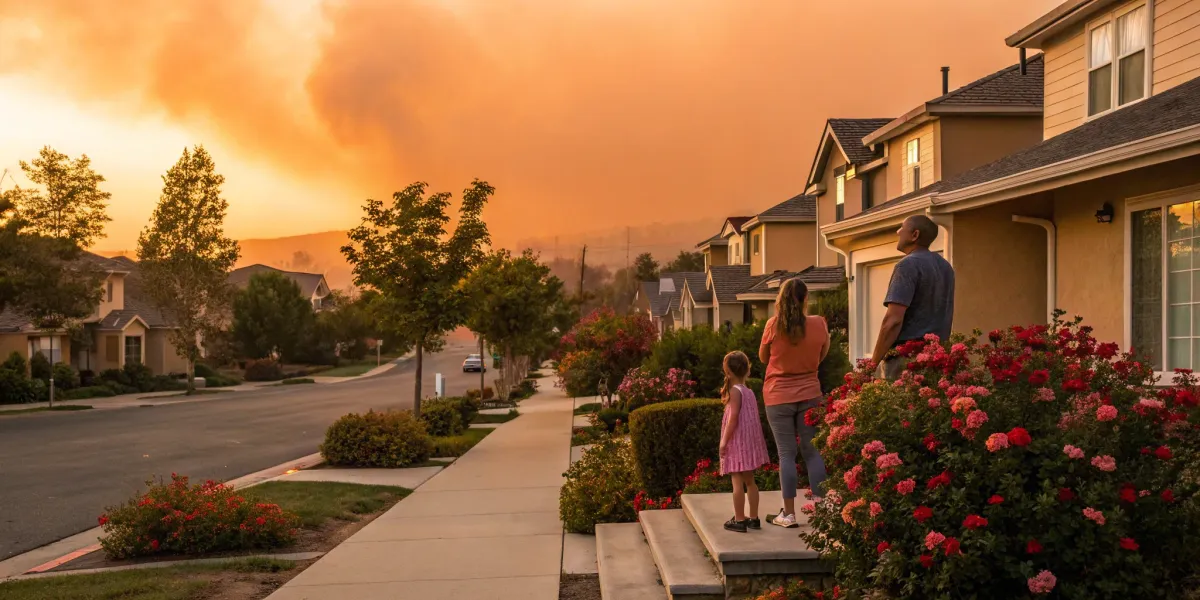
Receiving a non-renewal letter can feel like a punch to the gut, leaving you scrambling and uncertain about how to protect your biggest asset. The old way of shopping for insurance—calling a few big-name carriers for quotes—simply doesn’t work anymore. Many of those companies have paused new business, forcing homeowners to look for alternatives they’ve never heard of. But here’s the good news: you still have options. This guide will help you understand the new rules of the game. We’ll show you where to look, who to talk to, and how to figure out which insurance companies are writing policies in California so you can find a solution that works for you.
SubscribeKey Takeaways
- Expand Your Search Beyond Household Names: The traditional insurance market has shrunk, so your best strategy is to partner with an independent broker. They have access to smaller, specialized, and surplus line carriers that are still writing policies in California and can find options you won't discover on your own.
- Take Control of Your Home's Risk Profile: Insurers are focused on risk, so you need to be too. Actively reduce your wildfire threat through home hardening and creating defensible space to improve your eligibility and show companies that your property is a good bet.
- Prioritize Comprehensive Coverage Over the Lowest Premium: A cheap policy with gaps can be financially devastating. Make sure you're comparing quotes with full replacement cost, understand what's excluded, and know that if you need the FAIR Plan, you must also get a Difference in Conditions (DIC) policy for complete protection.
Why Is It So Hard to Find Home Insurance in California?
If you feel like finding home insurance in California has become a full-time job, you’re not alone. The market has changed dramatically, leaving many homeowners feeling stuck and confused. You might hear from friends that their policies were dropped, or maybe you’ve spent hours on the phone with agents only to be told no one is writing new policies in your area. It’s a frustrating reality, and it’s happening all over the state, from rural communities to suburban neighborhoods.
The simple truth is that many insurance companies are rethinking their business in California. They are becoming much more selective about the homes they’re willing to cover, and some have stopped offering new policies altogether. This shift has created a major squeeze, making it harder than ever to find affordable, reliable coverage. Understanding what’s driving this change is the first step toward finding a solution that works for you and protects your home.
What's happening in the market
California’s home insurance market is in a tough spot. For years, you could count on major, well-known insurance companies to offer coverage. Now, many of those same companies are limiting their business or even pulling out of the state entirely. This means your options are shrinking. Insurance professionals often describe the current environment as a “hard market,” which is industry-speak for a period when coverage is harder to find and more expensive. This isn't just affecting homes in high-risk wildfire areas; the ripple effects are being felt across the state as insurers try to reduce their overall risk. The California Department of Insurance maintains a list of companies still writing policies, but even that can change quickly.
How this affects you
The most direct impact of this shrinking market is the dreaded non-renewal notice. You could be a loyal customer for decades and still receive a letter stating your policy won’t be renewed. When you start shopping for a new plan, you might find that many companies aren’t accepting new customers, or they only offer very specific, limited policies that don’t fully cover your needs. This leaves you scrambling to find a replacement before your coverage lapses. It’s a stressful process that forces many homeowners to either pay significantly higher premiums or turn to last-resort options. If you've been non-renewed, it's important to understand your rights as a consumer and start your search for a new policy immediately.
The key factors driving insurers away
At the heart of the issue is the growing risk of catastrophic wildfires. In recent years, California has seen some of the most destructive and costly wildfires in its history. For insurance companies, this represents a massive financial threat. A single fire can lead to billions of dollars in claims, wiping out years of profits. To protect themselves from these huge potential losses, insurers are avoiding areas they deem too risky. Compounding the problem are rising construction costs, which make it more expensive to rebuild homes after a disaster, and state regulations that limit how quickly insurers can raise rates to match their risk. This combination of factors has made the California market unprofitable for many companies, leading them to pull back.
Who Is Still Writing Home Insurance in California?
Finding a home insurance company in California right now can feel like searching for a needle in a haystack. With so many major carriers pulling back, it’s easy to get discouraged. But here’s the good news: there are still companies writing policies. The key is knowing where to look and understanding that the landscape has changed. Your options might include smaller, specialized insurers or different types of carriers you haven't heard of before. Let's walk through who is still in the market and what you need to know about them.
Major carriers you know
You’ve probably seen the headlines about big-name insurers pausing new business in California. It’s true that many well-known companies like State Farm and Chubb are now focused only on renewing their existing customers. This means that even if you’ve been with a major carrier for years for your auto policy, they may not be able to offer you a new homeowners policy. The situation is constantly changing, so it's worth checking the California Department of Insurance's official list of residential insurers. This list can give you a starting point, but remember to call them directly, as their writing status can change without notice.
Smaller insurers to consider
When the big brands say no, it’s time to look at smaller and more specialized insurers. Companies like American Modern, Bamboo Insurance, Delos, and California Capital Insurance Company are still actively writing policies in certain areas. These carriers may have more specific requirements, like insuring homes of a certain age or in specific locations, so their availability can sometimes be "hit or miss." You might also hear about the California FAIR Plan, which is a state-run program designed as a last-resort option for homeowners who can't find coverage anywhere else. While it provides essential fire coverage, it's not a comprehensive policy, so it's a different kind of solution.
What are non-admitted insurers?
As you search, you might come across the term "non-admitted insurer" or surplus line carrier. These are insurance companies approved to do business in California but are not regulated in the same way as standard carriers. They have more flexibility in the policies they write and the rates they charge, which allows them to cover high-risk properties that standard insurers won't touch. Companies like KW Specialty fall into this category. While they can be a great solution, their policies might have higher fees and different terms, so it’s important to read the fine print carefully with your insurance broker.
How to check an insurer's financial health
Whether you’re considering a smaller company or a non-admitted carrier, it’s crucial to do your homework. You want to be sure the company you choose has the financial stability to pay out claims if you ever need them to. Before you sign anything, take a few minutes to check the insurer's financial strength rating. You can find this information from independent rating agencies like AM Best, which grade insurance companies on their financial health. A strong rating gives you peace of mind that your home is protected by a reliable company. Always call an insurer directly to confirm they are writing policies for your specific property before you apply.
What If You Can't Find a Traditional Policy?
After countless calls and online applications, hearing "no" from another insurance company can feel incredibly defeating. If you're in a high-risk area, you might be wondering if getting coverage is even possible anymore. The good news is, it is. The path just looks a little different. When the standard insurance market isn't an option, you have to get creative with alternative solutions designed for exactly this situation.
Think of it less as a dead end and more as a detour. California has established safety nets and alternative markets to ensure homeowners don't have to go without protection. These options include a state-run plan of last resort, specialized insurers, and strategies that involve piecing together coverage from different sources. It definitely requires more legwork and a bit more patience, but a secure policy is within reach. Let’s walk through the main alternatives so you can figure out the best next step for your home.
The FAIR Plan, explained
If you’ve been rejected by traditional insurers, your next stop is likely the California FAIR Plan. It’s not a government agency but a state-mandated program that acts as an insurer of last resort. It was created to make sure every homeowner has access to basic fire insurance, especially in high-risk areas. However, "basic" is the key word here. A FAIR Plan policy is a no-frills option that typically only covers damage from fire, lightning, and internal explosions. It won't cover things like theft, water damage, or personal liability, which are standard in traditional policies. It can also be more expensive, so think of it as a crucial but incomplete piece of your coverage puzzle.
Pairing policies for full coverage
Because the FAIR Plan only covers specific perils, you’ll need to buy a second policy to fill in the gaps. This is called a Difference in Conditions (DIC) policy, and it’s designed to wrap around your FAIR Plan policy. A DIC policy adds back the essential coverages you’re missing, like liability protection, theft, and water damage. You buy it from a separate, traditional insurer. Having two policies—one from the FAIR Plan and a DIC from another carrier—is more complicated than having a single plan, but it provides the comprehensive protection you need. If you need help finding insurers that offer DIC policies, the California Department of Insurance is a great resource.
Exploring surplus line carriers
Another route to consider is surplus line insurance. These policies are sold by non-admitted carriers, which means they aren’t licensed by the state of California but are approved to operate here. Because they aren't bound by the same regulations as standard insurers, they have more flexibility to take on higher risks—for a higher price. This can be a solid option if you need more coverage than the FAIR Plan offers but can't find a traditional policy. To access these carriers, you’ll need to work with a licensed surplus line broker. They have the expertise to find a reputable carrier and tailor a policy that fits your specific needs.
Putting together your coverage puzzle
Finding coverage in today’s market often feels like a scavenger hunt. Many insurers have paused writing new policies in certain areas, choosing only to renew their existing customers. This makes it tough to know who is actually open for business. Your strategy should be to stay persistent and use every tool available. An independent agent can check with multiple carriers on your behalf, including surplus line options. Online resources can help you see which companies are active in your ZIP code. It takes diligence, but by combining these resources, you can piece together the information you need to find a company willing to offer you a policy.
How to Find an Insurance Company That Will Cover You
Finding a home insurance company in California right now can feel like searching for a needle in a haystack. The good news is that you have options, and with the right strategy, you can find the coverage you need. Instead of making endless calls to companies that aren’t writing policies, you can take a more targeted approach. Think of it as a fact-finding mission where you gather intel from a few key sources to build a clear picture of who can help you. This process is about working smarter, not harder, by focusing your energy on the paths most likely to lead to a policy.
Partner with an independent agent
If you’re feeling overwhelmed, your first call should be to an independent insurance agent or broker. Unlike captive agents who only work for one company (like State Farm or Allstate), independent agents represent multiple insurers. This gives them a much broader view of the market and access to companies you might not find on your own. They are especially crucial if you need to explore options with “non-admitted” or surplus line carriers, which often specialize in higher-risk properties. These insurers don’t sell directly to the public, so an agent is your only way in. They handle the complex paperwork and can find policies tailored to your unique situation, saving you time and frustration.
Use online search tools
The internet is your friend, but you need to know where to look. Start with trusted consumer advocacy groups like United Policyholders. Their website offers guides and a "Match UP Insurance Finder" to connect you with agents and brokers who have experience helping people in high-risk areas. Of course, that’s also why we built CovFind. Our tool is designed to give you a real-time snapshot of which insurers are actively writing policies in your specific ZIP code. In a market that changes daily, using an up-to-date search tool can help you focus your efforts on companies that are actually open for business in your neighborhood, so you’re not wasting time on dead ends.
Confirm an insurer is legitimate
Once you have a list of potential insurers, it’s time to do a little homework. Just because a company’s name appears on a list doesn’t automatically mean they’ll cover your specific property. The most direct way to verify is to call the insurance company yourself. Confirm that they are writing policies for your address and ask about any specific requirements they might have. This step is also a great way to gut-check the company’s customer service. While you’re at it, take a moment to check the insurer’s license status with the California Department of Insurance to ensure they are a legitimate, admitted carrier. For any insurer, it's also wise to look up their financial strength rating from a service like AM Best to be sure they can pay out claims.
Check state-run resources
The California Department of Insurance (CDI) is the official source for insurance information in the state. The CDI website provides several helpful resources for homeowners, including a list of all companies licensed to sell residential insurance in California. This list can be a useful starting point for identifying potential carriers you haven't heard of. However, it’s important to understand its limitations. The list is comprehensive, but it won’t tell you which of those companies are actively accepting new customers or which ones have paused writing policies in high-risk fire zones. Use it to gather names, but pair it with other tools and direct outreach to confirm who is actually an option for you.
What Determines Your Insurance Eligibility?
When an insurance company reviews your application, they’re essentially trying to predict the future. They’re asking, “How likely is it that this specific home will have a claim?” To answer that, they look at a mix of factors related to your property, its location, and even your personal history. Understanding what’s on their checklist can help you see your home through their eyes and identify areas where you might be able to improve your chances of getting covered. It’s not about one single thing, but the complete picture of risk your home represents.
Your home's location and wildfire score
In California, your home’s exact address is the single most important factor for insurance eligibility. Insurers use advanced tools to assess the risk of wildfire for every property, assigning it a wildfire score. This score is based on data like your proximity to dense vegetation, the slope of your land, and local weather patterns. A high score can make it extremely difficult to find coverage, as many companies have set strict limits on the amount of risk they’re willing to take on in certain areas. This is why a friend down the street might get a policy from a carrier that denied you—even small distances can make a big difference in the underlying risk assessment.
Key property details insurers look at
Beyond your wildfire score, insurers zoom in on the specifics of your house. The age of your home is a big one; older homes can have outdated plumbing or electrical systems that pose a higher risk. They’ll also look at the age and condition of your roof, as it’s your first line of defense against the elements. The type of construction matters, too—a wood-frame house in a high-risk area is viewed differently than one built with fire-resistant materials. Insurers want to see a well-maintained property, so things like peeling paint or a crumbling foundation can be red flags that suggest bigger problems.
How home hardening helps
This is where you have some control. “Home hardening” means taking proactive steps to make your property more resistant to wildfire. This includes creating defensible space by clearing brush and trees away from your house, installing non-combustible siding, and covering attic vents with fine metal mesh to keep embers out. Taking these measures shows insurers that you’re actively reducing your risk. In fact, California law requires insurance companies to provide discounts for specific home hardening efforts, which can make a real difference in both your eligibility and your premium.
The role of your claims history
Finally, insurers will look at your personal claims history. If you’ve filed multiple claims in the past three to five years—even for non-fire issues like water damage or theft—it can signal to an insurer that you’re a higher-risk client. They may worry about a pattern of frequent claims, regardless of the cause. This is why it’s sometimes wise to handle smaller repairs out of pocket instead of filing a claim. It’s also a good idea to check your property’s claims history by requesting a CLUE report, which can show you if the previous owners filed any claims that might still be affecting the property’s risk profile.
What Kind of Coverage Do You Actually Need?
Figuring out what kind of insurance you need can feel like a pop quiz you didn't study for. With so many terms and options, it’s easy to get overwhelmed. But getting the right coverage is the whole point of this exercise—it’s what protects your home and your finances when something goes wrong. The good news is that you don’t need to be an expert to make a smart choice. It really comes down to understanding a few key building blocks: the standard policy, the add-ons for California-specific risks, and the common gaps you need to watch out for. Let’s break down what goes into a solid policy so you can feel confident that you’re properly covered.
The basics of a standard policy
Think of a standard homeowners insurance policy as your foundation. In California, this usually covers damage to your house itself and your personal belongings from common events like fire, theft, or a windstorm. It also includes liability protection, which is crucial if someone is injured on your property and you’re found responsible. Most policies cover your home’s structure, other structures on your property (like a garage or shed), your personal property (furniture, clothes, electronics), and additional living expenses if you need to live elsewhere during repairs.
Options for high-risk homes
Living in California means dealing with risks that a standard policy might not cover. The two big ones are earthquakes and floods—you almost always need to buy separate policies for these. For those of us in high-wildfire-risk areas, coverage can get even more complicated. You might need a specialized policy or a combination of plans, like pairing a California FAIR Plan policy for fire damage with a separate policy that covers everything else (like theft and liability). It’s essential to look at your specific location and consider what essential types of insurance you might need beyond the basics.
Watch out for coverage gaps
A cheap policy isn't a good deal if it leaves you with massive bills after a disaster. One of the biggest gaps to watch for is the lack of replacement cost coverage for your dwelling. If your policy only pays the "actual cash value," you'll get a check for your home's depreciated value, which won't be enough to rebuild. Another critical detail is building code upgrade coverage. If your home is destroyed, you'll have to rebuild it to current codes, which are often stricter and more expensive. The California Department of Insurance warns that without this specific coverage, you could be on the hook for those extra costs yourself.
Do you need extra protection?
Once you have your home and belongings covered, it’s worth asking if you need an extra layer of security. This is where umbrella insurance comes in. An umbrella policy provides additional liability coverage that kicks in after you’ve maxed out the limits on your standard homeowners or auto policy. If you have significant assets or a higher risk of being sued (for example, if you have a pool or a trampoline), an umbrella policy can be a smart and relatively inexpensive way to protect your financial future from a major lawsuit.
How to Compare Your Insurance Quotes
Getting a few home insurance quotes in California can feel like a victory in itself. But once you have them, the real work begins. It’s tempting to just pick the one with the lowest price tag, but the cheapest policy isn't always the best one for you and your home. A great quote is about more than just the premium; it’s about finding the right balance of coverage, cost, and service.
Comparing quotes is your chance to make sure you’re getting solid protection from a reliable company. You’ll want to look closely at the details of each offer to understand what you’re truly paying for. This means digging into the coverage limits, deductibles, and the insurer’s reputation for handling claims. Taking the time to do this now can save you from major headaches and financial stress down the road if you ever need to file a claim. Let’s walk through how to compare your quotes like a pro.
Look beyond the premium
The monthly or annual premium is the number that grabs everyone’s attention first, and for good reason. But to get a true sense of value, you need to make sure you’re comparing apples to apples. When you review your quotes, check that each one is for the same coverage amounts. A policy might look cheaper because it offers less dwelling coverage or lower liability limits. For an accurate comparison, you should request quotes with the same coverage options and details across the board. Once you have a level playing field, you can start looking at what else each company offers, like discounts for bundling or a reputation for excellent customer service.
Understand what's covered (and what's not)
Not all insurance policies are created equal. The fine print matters, especially in a complex market like California’s. Some companies may only offer specific types of policies, while others might have unique exclusions for things like wildfire damage or certain kinds of water leaks. It's crucial to read the policy details to understand exactly what is and isn't covered. Pay close attention to the section on exclusions. If you live in a high-risk area, ask your agent pointed questions about wildfire coverage and any specific limitations that might apply to your property. The California Department of Insurance provides resources that can help you understand what to look for.
Choose the right deductible
Your deductible is the amount of money you have to pay out of pocket on a claim before your insurance company starts to pay. The relationship is simple: a higher deductible typically means a lower premium. While a lower monthly payment is appealing, you have to be realistic about what you could afford to pay suddenly if your home was damaged. Some policies in California also have separate, higher deductibles for specific risks like wildfires. When choosing a deductible, pick an amount that you could comfortably cover tomorrow without causing major financial strain. It’s a personal decision that requires balancing your monthly budget with your emergency savings.
Research the claims process
A policy is only as good as the company’s ability to pay a claim fairly and efficiently. When your home is damaged, the last thing you want is a long, frustrating battle with your insurer. Since it’s already so difficult to find fire insurance in many parts of the state, you want to be sure the company you choose will be there for you when it counts. Before you commit, do a little homework. Read online reviews from other policyholders, check consumer complaint data with your state’s insurance department, and ask your agent about their personal experience with the company’s claims department. A little research now can give you peace of mind later.
You Found a Policy. Now What?
Finding an insurance company willing to write you a policy in California can feel like finding a needle in a haystack. It’s a huge relief, but don’t pop the champagne just yet. Getting from a quote to an active policy requires a few more careful steps. The application and underwriting process is where the insurer vets your property and decides if they’ll actually take on the risk. This is your chance to present your home in the best possible light and lock in that coverage.
Think of it as the final leg of the race. You’ve done the hard work of searching, comparing, and finding a potential match. Now, you need to handle the paperwork, finalize the details, and make sure the policy you’ve been offered is the one you actually get. From submitting your application correctly to preparing for your first renewal, being strategic now will save you headaches later. Let’s walk through exactly what you need to do to get your new policy across the finish line and keep your home protected.
Get your application ready
How you apply can make a big difference. It might be tempting to call an agent for a quick quote, but it’s often better to start the process online or through an independent broker. Why? Many insurer phone lines are recorded, and agents must follow strict scripts. If you accidentally mention a detail that’s a potential red flag—even if it’s minor—they may be required to disqualify you on the spot. Working with a broker allows you to frame your application properly and address potential issues upfront, giving you a much better shot at approval.
Gather your documents
Before you formally apply, get your paperwork in order. You’ll likely need your deed or proof of ownership, details about your home’s construction (like the age of the roof and electrical systems), and any recent inspection reports. If you’ve made fire-hardening upgrades, have photos and receipts ready. If you’re working with a non-admitted insurer, your broker will be essential. They can manage the specialized paperwork required by the state and ensure everything is filed correctly, as these carriers operate under different rules than standard companies.
Activate your new policy
Once you have a formal offer, the final step is to confirm the details and activate it. Even if an insurer is on an approved list, you should always call them directly to verify they will cover your specific property. Underwriting guidelines can change without notice, and a company might pause writing policies in certain areas. After you get verbal confirmation, you’ll pay your first premium and receive your policy documents, often called a “declarations page.” Review it carefully to ensure all the coverage details are correct before filing it away safely.
Prepare for your first renewal
In California’s current market, a home insurance policy is not a “set it and forget it” product. The carrier that covers you today may decide not to renew your policy next year. Insurers are constantly re-evaluating their risk exposure, and the rules can change quickly. Stay in close contact with your insurance broker and check in a few months before your renewal date. Continue to invest in wildfire mitigation to keep your home as attractive as possible to insurers. Being proactive is the best way to avoid a last-minute scramble for coverage.
How to Keep Your Home Insurable and Affordable
Once you’ve secured a policy, the work isn’t over. In California’s challenging insurance market, staying insured requires a proactive approach. Keeping your home attractive to insurers and your premiums as low as possible is an ongoing process. By taking consistent, thoughtful steps, you can maintain your coverage and avoid the stress of searching for a new policy year after year. Here’s how to manage your policy for the long haul.
Make your home more fire-resistant
Insurers are focused on risk, and in California, that means wildfire. Making your home more fire-resistant, often called "home hardening," is one of the most effective ways to maintain your insurability. This involves using fire-resistant materials for your roof and siding, installing double-paned windows, and covering vents with fine metal mesh. It also means creating defensible space by clearing dead plants, leaves, and flammable debris from your yard, especially within the first five feet of your home. These actions directly reduce your property’s risk profile, making it a much more appealing prospect for an insurance company.
Find ways to lower your premium
While you can’t control the market, you can take steps to manage your premium costs. Start by asking your insurer about available discounts. Many companies offer price breaks for installing security systems, smoke detectors, or modernizing your home’s electrical and plumbing systems. You can also consider raising your deductible—the amount you pay out-of-pocket for a claim—which typically lowers your premium. Just be sure you choose a deductible you can comfortably afford. Bundling your home and auto policies with the same carrier can sometimes unlock savings, though it’s always wise to compare the cost of bundled versus separate policies.
Why a good broker is your best ally
An independent insurance broker is an invaluable partner in this market. Unlike an agent who works for a single company, a broker works for you. They have access to a wide range of insurers, including specialty carriers you might not find on your own. A good broker understands the nuances of different policies and can help you find comprehensive coverage that fits your specific needs. When your renewal comes up, they can re-shop your policy to ensure you’re still getting the best terms and price available, saving you the time and headache of starting your search from scratch.
Manage your policy for the long haul
Staying on top of your insurance is key to long-term stability. Review your policy annually with your broker to make sure your coverage limits still align with your home’s value, especially if you’ve done any renovations. It’s also important to maintain a clean claims history if possible, as frequent claims can make you a higher risk. The California insurance landscape is always shifting, so staying informed through consumer resources like United Policyholders can help you anticipate changes. By being a proactive and informed homeowner, you put yourself in the best position to keep your coverage secure.
Related Articles
- Find Homeowners Insurance in California | Community-Driven Insurance Finder
- Find Homeowners Insurance in California | Community-Driven Insurance Finder
- Find Homeowners Insurance in California | Community-Driven Insurance Finder
- Find Homeowners Insurance in California | Community-Driven Insurance Finder
- Find Homeowners Insurance in California | Community-Driven Insurance Finder
Frequently Asked Questions
Why was my policy non-renewed even though I've never filed a claim? It’s incredibly frustrating to be dropped by an insurer you’ve been loyal to for years. This usually has less to do with you personally and more to do with the company's overall risk in California. Insurers are re-evaluating their exposure to large-scale disasters like wildfires. Even if your home is in perfect condition, they might be reducing the total number of policies they have in your entire region to limit their financial risk if a major event occurs.
What's the difference between the FAIR Plan and a "regular" insurance policy? Think of the FAIR Plan as a basic safety net, not a complete policy. It’s designed to provide last-resort fire coverage when you can’t find it anywhere else. A standard homeowners policy bundles protection for many different risks, like theft, water damage, and personal liability. The FAIR Plan doesn't include those things, so you would need to buy a separate "Difference in Conditions" policy to get the comprehensive coverage you’re used to.
I found a smaller insurance company I've never heard of. How can I be sure they're legitimate? That’s a smart question to ask. When you’re considering a less familiar company, your first step should be to check its license status with the California Department of Insurance. Next, look up its financial strength rating from an independent agency like AM Best. This rating acts like a report card, telling you if the company has the financial stability to pay out claims. A strong rating provides confidence that you’re dealing with a reliable insurer.
Besides my location, what's the most important factor insurers look at when I apply? After assessing your location's wildfire score, insurers zoom in on the condition of your property. They pay close attention to the age and health of your roof, as it’s your home’s primary defense against damage. They also look at the age of your electrical and plumbing systems and the overall maintenance of the home. Proactively making your home more fire-resistant through "home hardening" efforts also shows them you are a lower-risk client.
Is there anything I can actually do to lower my premium, or is it completely out of my control? While you can't change the overall market, you do have some control over your premium. Ask your agent about discounts for things like installing a security system, having updated plumbing, or bundling your auto and home policies. You can also raise your deductible, which is the amount you pay before insurance kicks in. Just make sure you choose a deductible that you could comfortably pay out of pocket in an emergency.