
What Affects Homeowners Insurance Availability by Address?
Learn what impacts homeowners insurance availability by address, from location risks to property features, and get tips for finding coverage in tough markets.
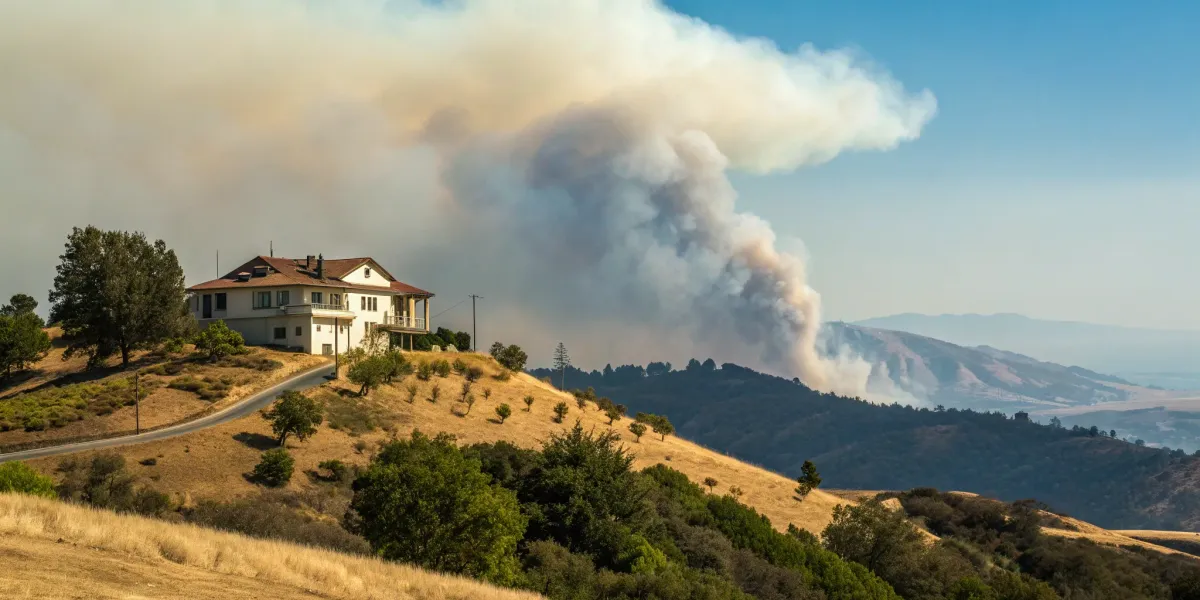
If you’ve tried shopping for homeowners insurance in California recently, you know it’s not as simple as it used to be. Insurers are pulling back, and getting a quote—let alone a policy—can feel impossible. You might be wondering why your neighbor has coverage but you were denied. It’s because insurers are now analyzing risk on a hyper-local level, drilling down to the specifics of each individual property. This shift has made understanding homeowners insurance availability by address more critical than ever. In this article, we’ll break down the common red flags that make a home hard to insure and show you the most effective ways to find coverage in today’s challenging market.
SubscribeKey Takeaways
- Confirm Availability Before Seeking Quotes: In a market where insurers are pulling back, your first step is to identify which companies are actively writing policies in your ZIP code. This saves you time and focuses your search on providers that are actually an option for you.
- Improve Your Home's Risk Profile: You can directly influence your insurability by making key upgrades. Investing in a fire-resistant roof, clearing defensible space, and updating old electrical or plumbing systems makes your home a more attractive risk to insurers.
- A Denial Isn't the End of the Road: If standard insurers turn you down, you still have options. An independent agent can help you access specialty carriers, the surplus lines market, or the California FAIR Plan, all of which exist to cover harder-to-insure properties.
Why Won't Insurers Cover My Address?
It’s incredibly frustrating to get a non-renewal notice or be denied coverage for your home. If you’re left wondering why, you’re not alone. Insurance companies look at a wide range of factors to decide whether they’ll offer a policy for a specific address, and many of these factors are completely out of your control. It’s not just about you or your house; it’s about how an insurer calculates risk. Understanding what goes into that calculation is the first step toward finding a solution. From your home’s location to insurer competition in your area, several key elements determine your eligibility.
Your Home's Location and Risk
The single biggest factor influencing your insurance availability is your home's location and its exposure to natural disasters. In California, this often means wildfire risk, but it also includes threats like earthquakes and severe storms. As climate-related events become more frequent, insurers are re-evaluating the financial risk of covering homes in certain areas. A U.S. Department of the Treasury report highlighted that these events pose growing challenges for both insurers and their customers. If your home is in an area an insurer has identified as high-risk, they may limit the number of policies they offer there or stop offering new coverage altogether.
The Specifics of Your Property
Insurers drill down to the details of your specific property, not just your general neighborhood. Two houses on the same street could receive very different offers based on their individual characteristics. An insurer’s underwriting process assesses features like the age and material of your roof, the type of electrical wiring, and your home’s construction materials. They also consider your property’s proximity to a fire hydrant. Even within the same ZIP code, rates can vary widely because each home presents a unique risk profile. An older home that hasn’t been updated may be seen as a higher risk than one with a new, fire-resistant roof.
Your Neighborhood's Claims History
Insurance is a game of shared risk, which means the claims history of your broader neighborhood can affect your ability to get coverage. If your area has a high number of past claims—whether from a recent hailstorm or a string of burglaries—insurers may view the entire neighborhood as a higher risk. They use this data to predict the likelihood of future claims. For example, insurance companies often assess the crime rate in an area when deciding where to offer policies. A pattern of frequent claims nearby can lead an insurer to tighten its guidelines, even if you’ve never filed a claim yourself.
Insurer Competition in Your Area
Sometimes, the reason you can’t find coverage has less to do with your home and more to do with the insurance market itself. When multiple insurers pull out of a state, it creates a vacuum. With fewer companies competing for your business, the remaining ones can be much more selective about the risks they’re willing to take on. This lack of homeowners insurance options is a major issue for consumers in California, particularly in high-risk wildfire regions. If you live where only one or two standard carriers are still writing policies, your chances of getting denied are much higher.
How to Find Out Who Will Insure Your Home
Finding an insurance company willing to cover your home can feel like searching for a needle in a haystack, especially in California. The good news is that you have several paths you can take. The key is to be persistent and explore all your options, from traditional methods to modern tools designed for today’s challenging market. Whether you prefer talking to a person or using a digital tool, here are the most effective ways to discover which companies will insure your property.
Contact Insurers Directly
If you’ve received a non-renewal notice, your first instinct might be to start calling other insurance companies, and that’s a solid plan. Going directly to the source gives you a clear yes or no. The California Department of Insurance offers a Home Insurance Finder tool with a list of companies and their contact information. While this approach can be time-consuming, it allows you to ask specific questions about your property. Be prepared with your home’s details, including its age, square footage, and any recent upgrades you’ve made. This direct method puts you in control of the conversation from the start.
Work with an Independent Agent
You don’t have to do all the legwork yourself. An independent insurance agent can be an invaluable partner in your search. Unlike captive agents who only work for one company, independent agents represent multiple insurers. They have a deep understanding of the local market and know which companies are still writing policies in high-risk areas. An agent will shop around on your behalf, compare coverage options, and help you find the best available policy for your needs. This can save you a significant amount of time and frustration, as they handle the applications and negotiations for you.
Use Online Comparison Tools
For a quick overview of potential options, online comparison tools can be a useful starting point. These websites allow you to enter your information once and receive quotes from several different national insurers. It’s a fast way to get a general sense of what’s out there and who might be competitive on price. However, be aware that these tools often rely on automated underwriting systems that may not account for the unique details of your property or the nuances of California’s insurance market. You might find that the initial quotes aren’t available once your property’s specific risks are fully assessed.
Check CovFind for California Homes
In a market where availability is the biggest hurdle, knowing who is even an option is the most important first step. That’s where we come in. CovFind is designed specifically for California homeowners. Instead of giving you quotes from companies that might ultimately deny you, our tool shows you which insurers are actively writing policies in your exact ZIP code. We provide clear, up-to-date information that cuts through the noise, so you can stop wasting time applying to companies that have already pulled back from your area. This targeted approach helps you focus your efforts on the insurers that are actually open for business where you live.
Common Red Flags That Make a Home Hard to Insure
Ever wonder what insurance companies are looking at when they decide whether to cover your home? It’s not personal—it’s all about risk assessment. Insurers analyze dozens of data points related to your property, its location, and its history to predict the likelihood of a future claim. If your home checks too many of their risk boxes, you might face a non-renewal or have trouble finding a new policy. Understanding these common red flags is the first step toward figuring out your options and making your home more attractive to insurers.
Living in a Wildfire Zone
For California homeowners, this is often the biggest hurdle. Insurers use sophisticated mapping tools to assign a wildfire risk score to every property. If your home is in an area with a high score, finding coverage can be incredibly difficult. The scale of the problem is massive; according to a report from McKinsey & Company, California’s private homeowners insurance market is facing a coverage shortfall of up to $2 trillion due to wildfire risk. Insurers are pulling back from high-risk areas to limit their potential losses, leaving many homeowners with few, if any, options besides the state’s FAIR Plan.
Being in a Flood-Prone Area
While standard homeowners insurance doesn’t cover flood damage (that requires a separate policy), living in a designated flood zone can still make you a higher risk in an insurer’s eyes. It signals that your property is vulnerable to severe weather. As the U.S. Department of the Treasury noted, homeowners insurance is becoming more costly as climate-related events create growing challenges for insurers. An address in a flood-prone area can be a red flag for other potential claims, like water damage from heavy rains or mudslides, which might be covered under a standard policy.
High Neighborhood Crime Rates
Insurers don’t just look at your property; they look at the neighborhood around it. They analyze public data on local crime statistics, including rates of burglary, theft, and vandalism. As one insurer explains, living in an area with high crime rates can directly increase your premiums because the risk of a claim related to theft or property damage is higher. If an area is seen as having a consistently high crime rate, some insurers may decide to limit the number of policies they write there or stop offering coverage altogether.
Outdated Construction and Materials
The age and condition of your home play a huge role in its insurability. An older home isn't automatically a red flag, but outdated systems are. Things like knob-and-tube electrical wiring, a roof that’s over 20 years old, or old galvanized plumbing pipes significantly increase the risk of fire and water damage claims. Because these features create known hazards, standard insurance policies may not adequately cover properties that have them. Many insurers will require you to update these systems before they will even consider offering you a policy.
Your Distance from a Fire Station
How quickly can help arrive in an emergency? Insurers want to know. They use a rating system, often called a Public Protection Classification (PPC), to grade how close your home is to a fire station and a reliable water source like a fire hydrant. As one agency points out, insurers use detailed geographic data to assess these risks. A home located in a rural area far from a fire department will be considered higher risk than a home in a suburb with a fire station just down the street, and that difference will be reflected in your ability to get coverage.
The Best Online Tools for Finding Insurance Quotes
When you’re trying to find homeowners insurance, especially in a challenging market like California, knowing where to look can make all the difference. The internet is full of options, but not all of them are built to handle the unique needs of homeowners in high-risk areas. Here are a few of the most effective online resources to help you find out who might insure your home.
National Comparison Websites
You’ve probably seen ads for national comparison websites. These platforms let you enter your information once and receive quotes from several different insurance companies. They can be a great starting point to get a ballpark idea of what coverage might cost. Many major insurers also offer quotes directly on their own websites, which can be another useful avenue.
However, keep in mind that in areas where insurers are pulling back, these sites may not always show a complete picture. They are designed for broad comparisons and might not reflect the on-the-ground reality of which companies are actively writing new policies in your specific neighborhood. Think of them as a good first step, but not necessarily your last.
Your State's Department of Insurance
Your state’s Department of Insurance is one of the most reliable resources you can turn to. For Californians, the California Department of Insurance offers several shopping tools specifically for homeowners. Their website provides a list of insurance companies that are licensed to operate in the state, along with contact information.
This is an official, unbiased source that can help you identify potential insurers you may not have found otherwise. They also provide information on more specialized coverage, like policies designed to supplement a FAIR Plan policy. It’s a must-visit resource for anyone struggling to find coverage through traditional channels and looking for a comprehensive list of options.
Specialty Risk Assessment Tools
Insurers don’t just look at your ZIP code; they use incredibly detailed data to assess the risk of insuring your specific property. These internal tools analyze everything from your home’s proximity to fire stations to local climate risks. As these climate-related risks have grown, many insurers have used this data to stop offering coverage in areas they now see as unprofitable.
While you can’t access an insurer’s private risk models, you can use tools that provide transparency into the market. This is where CovFind comes in. We track which insurers are actively writing policies in California ZIP codes, giving you a clear view of who is still open for business in your area. It helps you cut through the noise and focus your search on companies that are actually an option for your home.
How to Compare Home Insurance Providers
Once you’ve identified a few companies willing to insure your home (which, let’s be honest, can be the hardest part), it’s time to compare your options. Getting the right policy isn’t just about finding the lowest price; it’s about finding the best value and the right partner for when things go wrong. A great policy provides peace of mind, not just a piece of paper. To make a smart choice, you’ll want to look closely at the coverage details, the costs, the company’s reputation, and its financial stability. Breaking it down this way helps you see the full picture and choose a provider you can truly count on.
Coverage Options and Limits
Not all insurance policies are created equal, especially in a place like California. The coverage you’re offered can vary dramatically from one company to the next. Insurers use detailed geographic data to assess risks, which can significantly affect the coverage options available to you. Look beyond the big number for dwelling coverage and examine the limits for personal property, liability, and additional living expenses (ALE). If you live in a high-risk wildfire area, check for specific exclusions or lower limits related to fire damage. It’s your job to understand exactly what’s covered and what’s not before you need to file a claim.
Premiums vs. Deductibles
It’s easy to get drawn to the policy with the lowest monthly premium, but that’s only half of the cost equation. You also need to look at the deductible—the amount you have to pay out of pocket before your insurance kicks in. Typically, a lower premium means a higher deductible. Ask yourself: If a disaster struck tomorrow, could I comfortably write a check for that deductible amount? The value of your home and the risk profile of your region will influence these numbers, so find a balance that works for your budget both today and in a potential emergency.
Customer Service Reviews
An insurance policy is only as good as the company that stands behind it. When you’re stressed and recovering from a loss, the last thing you want is to fight with your insurer over a claim. Before you commit, spend some time researching customer service reviews and complaint records. You can check resources like your state’s Department of Insurance or the National Association of Insurance Commissioners (NAIC) Complaint Index. Reading about other homeowners' experiences, particularly how the company handles claims, will give you a clear idea of what you can expect when you need help the most.
The Insurer's Financial Health
You buy insurance so you can be made whole after a major loss. But what if the insurance company doesn’t have the money to pay your claim? This is why checking an insurer's financial stability is so important. With the rising costs of climate-related events posing growing challenges to insurers, you want a company that is on solid financial ground. Look up their ratings from independent agencies like A.M. Best or S&P. A strong financial rating (like an "A" or better) is a good indicator that the company has the resources to pay out claims, even after a widespread disaster.
What to Do When You Can't Find Coverage
Getting a non-renewal notice or being denied coverage can feel incredibly stressful, especially when you’ve done everything right. It’s easy to feel stuck, but please know you still have options. When the standard insurance market turns you away, it’s time to look at alternative paths. The insurance industry has several safety nets and specialized markets designed for exactly this situation.
These alternatives might not be as well-known as the big-name companies you see on TV, but they provide essential protection for homes that standard insurers consider too risky. This includes specialty insurers who focus on high-risk properties, surplus lines carriers with more flexibility, and state-run programs like the FAIR Plan. It can feel like a whole new world, but understanding these options is the first step toward finding a solution. An experienced independent agent can also be your best ally, guiding you to the companies and policies you might not find on your own.
Look into Specialty Insurers
If your home is in an area with a high risk of wildfires, floods, or even crime, standard insurers might step back. This is where specialty insurers come in. These companies focus on covering properties that don't fit the typical mold. Instead of declining your application outright, they use different tools to calculate the specific risks your home faces and create a policy that reflects that reality. Because specialized location-based insurance is their entire business model, they are more comfortable taking on risks that a standard carrier would avoid. This can be a great next step if you've been turned down by mainstream providers.
Explore Surplus Lines Carriers
Another important option is the surplus lines market. Think of these carriers as another layer of the insurance world. When you can't find coverage in the standard, state-regulated market (called the "admitted" market), you can sometimes find it with a surplus lines carrier. These insurers are not licensed by the state in the same way, which gives them more freedom to set rates and cover unique, high-risk properties. This market is a critical alternative for homeowners who have exhausted their options with traditional companies. You typically need to work with a specialized agent or broker to get a quote from a surplus lines carrier.
Understand the FAIR Plan
If you’ve tried the options above and still come up empty, there’s the California FAIR Plan. It’s important to know that this is an insurer of last resort. The CA FAIR Plan is a state-run program designed to provide basic fire insurance to homeowners who can’t get it anywhere else. However, a FAIR Plan policy is very limited. It typically only covers damage from fire, lightning, and internal explosion. For protection against things like theft, water damage, and liability, you’ll need to buy a separate "Difference in Conditions" (DIC) policy to wrap around your FAIR Plan policy.
Partner with an Experienced Agent
Trying to find coverage in a difficult market can be overwhelming. This is where a good independent insurance agent becomes invaluable. Unlike "captive" agents who only work for one company, independent agents represent multiple insurers. They have deep knowledge of the market and relationships with a wide range of carriers, including many specialty and surplus lines companies you can't access on your own. An experienced insurance agent can help you understand your options, compare quotes, and find the best possible coverage for your unique situation. They do the heavy lifting so you don't have to.
How to Make Your Home More Insurable
If you’re feeling powerless in the face of non-renewal notices and rising premiums, I get it. The good news is you have more control than you think. By making strategic improvements and being proactive, you can significantly improve your home's profile in the eyes of an insurer. It’s about showing them that your property is a responsible, well-maintained risk. Here are a few key areas to focus on.
Make Key Property Upgrades
Insurers pay close attention to the big-ticket items that can lead to major claims. Think of your home’s core systems: the roof, plumbing, electrical, and HVAC. A brand-new roof is a huge plus, as it drastically reduces the risk of water damage and weather-related claims. Similarly, updated electrical wiring minimizes fire hazards. Insurers use detailed data about the characteristics of your home, including its age and condition, to determine your eligibility and rates. Keep detailed records of all renovations, including dates and contractor information. This documentation proves you’re actively maintaining your property and can make a real difference when you apply for a policy.
Take Steps to Reduce Your Risk
Taking proactive steps to protect your property from potential disasters shows insurers you’re a responsible partner. For many in California, this means focusing on wildfire mitigation. Creating defensible space by clearing brush and flammable materials away from your home is one of the most effective actions you can take. Other improvements, like installing a fire-resistant roof or ember-proof vents, also make a huge impact. Beyond fire risk, simple additions like security systems, smoke detectors, and automatic water shut-off valves can also help. These risk mitigation measures demonstrate that you’re committed to preventing losses before they happen.
Know When to Shop for a Policy
If you receive a non-renewal notice, the single most important thing to do is act quickly. Don’t wait until your policy is about to expire to start looking for a new one. The insurance market can change rapidly; a company that wasn’t writing policies in your area six months ago might be open for business now. This is why it’s so important to start shopping as soon as you know you’ll need a new policy. For Californians who have been dropped by an insurer, staying on top of the market and exploring all your options is key. The sooner you start, the more time you have to find the best possible coverage.
Common Myths About Home Insurance Availability
When you're trying to find homeowners insurance in California, it can feel like you're working with a rulebook that keeps changing. It's confusing, and a lot of what you hear from neighbors or read online just adds to the stress. It’s easy to get tangled up in assumptions that aren't actually true, which can make your search for coverage feel impossible. These myths can send you down the wrong path, causing you to waste time with insurers who won't cover you or, even worse, making you feel like giving up is the only option.
Let's clear the air and tackle some of the most common myths about home insurance availability. Getting the facts straight is one of the best things you can do to feel more in control of your situation. By understanding what's true and what's just noise, you can focus your energy where it counts. We'll walk through a few big misconceptions so you can approach your insurance search with more clarity and confidence.
Myth: Your Insurance History is Public
Have you ever worried that a potential buyer or a nosy neighbor could look up your insurance details with just your address? It’s a common concern, but you can relax. Your specific policy information is private. As insurance experts at MoneyGeek confirm, "You cannot find out if someone else has homeowners insurance just by knowing their address." This data is confidential between you, your lender, and your insurance company. So, while public records can reveal a lot about a property, your personal insurance coverage details and claims history are kept under wraps.
Myth: Rates Are the Same Across a City
It seems logical to think that if you live in a certain city, your insurance rates would be similar to your friend's across town. But that's not how insurers operate. They get incredibly specific, looking at risks block by block. As WCE Insurance explains, "Even within the same city or town, homeowners insurance rates can vary widely based on ZIP code and neighborhood characteristics." Factors like your proximity to a wildfire zone, local crime statistics, or how close you are to the coast can create major differences in premiums between neighborhoods that are just a few miles apart.
Myth: Your Coverage is Guaranteed Forever
Once you've secured a policy, it's tempting to file it away and forget about it. But your coverage isn't set in stone. The insurance market in California is constantly shifting, and your own needs can change, too. As the Horton Group points out, "Homeowners must regularly review their insurance policies to ensure they have adequate coverage, as changes in the market or personal circumstances can affect their insurance status." A non-renewal notice can arrive unexpectedly, or you might find you're underinsured after a renovation. Staying proactive and checking in on your policy annually is the best way to avoid unwelcome surprises.
Related Articles
- How to Get Homeowners Insurance in California
- Top California FAIR Plan Alternatives in 2025
- 7 Steps to Find CA Wildfire Zone Home Coverage
- Find Insurers Accepting New Policies in California
Frequently Asked Questions
Why was I denied coverage even though I've never filed a claim? It’s completely understandable to be frustrated by this, but insurers aren't looking at your personal claims history alone. Their decision is based on a broad calculation of risk for your specific property and its location. They consider factors like your home's proximity to wildfire zones, the age of your roof, and even the claims history of your entire neighborhood. An insurer might also be reducing its overall number of policies in your region to limit its financial exposure, a business decision that has nothing to do with you as a homeowner.
Is the FAIR Plan my only option if I live in a high-risk area? Not necessarily. The FAIR Plan is truly an insurer of last resort, and there are several other avenues to explore first. Many homeowners find success with specialty insurers or surplus lines carriers, which are companies that focus specifically on insuring higher-risk properties that standard companies won't cover. An independent insurance agent is your best resource for accessing these markets, as they have relationships with companies you likely won't find on your own.
Will making my home more fire-resistant guarantee I can get insurance? Taking steps to mitigate wildfire risk, like creating defensible space and installing a fire-resistant roof, is one of the most powerful things you can do to make your home more attractive to insurers. It absolutely improves your chances. However, it isn't a guarantee. Insurers still weigh the overall risk of your location heavily. Think of it this way: mitigation shows you're a responsible partner in reducing risk, which can tip the scales in your favor, but it may not override an insurer's decision to pull back from an entire area.
How is a tool like CovFind different from a regular insurance quote website? Most online quote websites focus on price, giving you estimates from a wide range of national carriers. The problem in California is that many of those carriers may not actually be writing new policies in your ZIP code, so the quote you get isn't real. CovFind works differently by focusing on availability first. We show you which companies are actively insuring homes in your specific area, so you can stop wasting time applying for coverage that was never an option to begin with.
My neighbor got a policy from a company that denied me. Why would that happen? This happens more often than you'd think, and it highlights just how specific insurance underwriting has become. While you and your neighbor share the same general location, an insurer's risk assessment drills down to individual property details. They might see a difference in roof age, the amount of defensible space, or even the home's construction materials. It's also possible your neighbor secured their policy before the insurer tightened its guidelines for your area.