
Home Insurance Non-Renewal California: What to Do Now
Get clear steps to handle a home insurance non-renewal California notice, understand your rights, and find new coverage to keep your home protected.
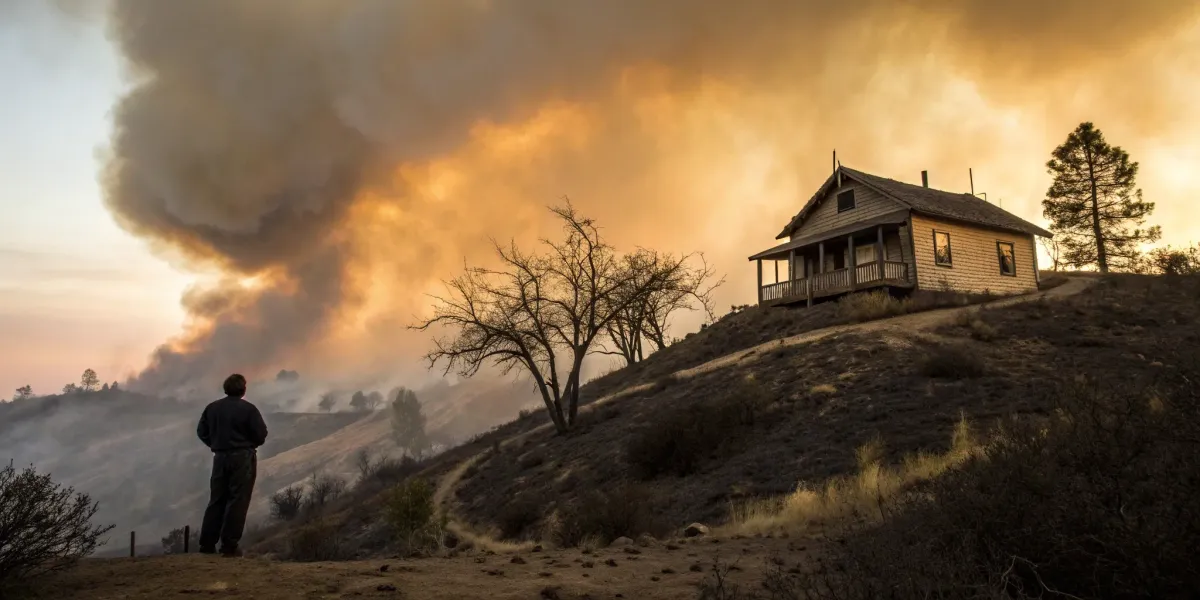
It’s easy to take a non-renewal personally. Why my house? Why me? The truth is, the decision likely has less to do with you and more to do with complex factors like reinsurance costs, new risk-assessment technology, and your home’s location in a broader high-risk zone. Understanding these behind-the-scenes reasons is crucial because it demystifies the process and empowers you to move forward effectively. A home insurance non-renewal in California is a signal that the market has changed, and you need a new strategy. This guide will explain exactly why insurers are making these tough decisions and provide a clear, straightforward roadmap for what to do next, from knowing your rights to finding reliable coverage.
SubscribeKey Takeaways
- Use Your 75-Day Notice Period Wisely: Your insurer must give you 75 days' notice before your policy ends. Use this time to understand why you were non-renewed, contact an independent broker, and shop for new coverage immediately to prevent a dangerous lapse.
- Combine Policies if Standard Coverage is Unavailable: If you can't find a traditional policy, the California FAIR Plan is your safety net for fire damage. You can pair it with a "Difference in Conditions" (DIC) policy to add back essential liability and theft coverage, creating a comprehensive alternative.
- Make Your Home a Lower Risk: You can directly improve your chances of getting insured by actively managing your property. Focus on creating defensible space, hardening your home against embers, and keeping up with maintenance, especially on your roof.
What a Home Insurance Non-Renewal Means in California
Getting a letter from your insurance company is rarely fun, but a non-renewal notice can feel like a punch to the gut. It’s that formal, dreaded message stating that your insurer has decided not to continue your coverage when your policy expires. If you’ve received one, take a deep breath. You’re not alone. Thousands of California homeowners are in the same boat as insurers pull back from high-risk areas and reassess their exposure to wildfires and other catastrophes.
A non-renewal isn't a personal judgment against you; it's a business decision by the insurance company, often based on factors far outside your control, like your home's location in a high-risk wildfire zone. But it does mean you have a critical task ahead: finding new coverage to protect your home. The good news is that you have rights and options. The first step is to understand exactly what this notice means and the timeline you’re working with. Knowing the difference between a non-renewal and a cancellation, and how much time you have to act, will give you a clear path forward. This isn't just about paperwork—it's about making sure your biggest asset remains protected without any gaps in coverage. Let's break down what you need to know to get started.
Non-Renewal vs. Cancellation: What's the Difference?
First, let’s clear up some common confusion. A non-renewal is not the same as a cancellation. A non-renewal means your insurance company has decided not to continue your policy when it's time to renew. This is usually because their assessment of your property's risk has changed. A cancellation, on the other hand, can happen mid-policy and is typically for specific reasons like not paying your premium or committing insurance fraud. While a non-renewal is stressful, it doesn't carry the same negative weight as a cancellation when you're shopping for a new policy. It’s a signal that the market is shifting, not necessarily a reflection on you as a homeowner.
Understanding the Timing of Your Notice
In California, your insurance company can’t just drop you without warning. They are legally required to give you notice at least 75 days before your policy ends if they don't plan to renew it. This 75-day window is your runway. It’s designed to give you enough time to understand your options, research new carriers, and secure a new policy before your old one expires. Don't let this time slip away. Use every single day to your advantage. The sooner you start the process, the more likely you are to find the best possible coverage for your home without feeling rushed into a decision.
Why California Insurers Are Sending More Non-Renewal Notices
If you’ve received a non-renewal notice, it’s easy to feel like you’ve been singled out. But the reality is that millions of California homeowners are in the same boat. Insurers are becoming much more selective about the homes they cover, and it’s not just about one single issue. The decision to non-renew a policy usually comes down to a combination of large-scale market pressures and property-specific details that, together, create a risk profile an insurer is no longer willing to accept.
Understanding these reasons won’t reverse the notice, but it can give you clarity on what’s happening behind the scenes. It also helps you figure out what you can control and what you can’t as you search for a new policy. From the growing threat of natural disasters to the complex financial tools insurers use, here are the main factors driving the increase in non-renewals across the state. It's a challenging market, but knowing why these changes are happening is the first step toward finding a solution. We'll walk through the four biggest reasons you might be facing this situation, so you can approach your insurance search with more confidence and knowledge.
The Growing Impact of Wildfire Risk
The most significant factor is California's heightened wildfire risk. In recent years, wildfires have become more frequent and destructive, leading to staggering losses for insurance companies. As a result, many insurers are re-evaluating their exposure in the state. They are canceling policies or stopping new ones, especially in areas they identify as having a high risk of fire. This strategic pullback leaves thousands of homeowners scrambling for coverage, even those who have never filed a claim. It’s a market-wide correction that has unfortunately left many responsible homeowners caught in the middle.
How Insurers Use New Tech to Assess Risk
Insurers no longer just look at your ZIP code to determine your home’s risk level. They now use sophisticated technology and data models to get a granular view of each property. These tools analyze everything from your home’s proximity to dense brush and its history of nearby fires to how easily emergency services can access your street. This means that even if your neighborhood feels safe, an algorithm might flag your property based on satellite imagery and risk-scoring software. This data-driven approach is why some homeowners are getting non-renewed while their neighbors aren’t.
The Rising Cost of Reinsurance
Another major piece of the puzzle is reinsurance, which is essentially insurance for insurance companies. Insurers buy reinsurance to protect themselves from massive losses after a major catastrophe. As California’s disaster risk has grown, the cost of this reinsurance has skyrocketed. For years, state regulations limited how much of these costs insurers could pass on to customers. However, recent changes now allow them to factor in the price of reinsurance and use forward-looking climate models to set their rates. This regulatory shift means insurers are adjusting their books to account for these higher costs, which often involves non-renewing policies they deem too risky to cover.
How Your Property's Condition Plays a Role
While you can’t change your home’s location, you do have control over its condition. Insurers are paying close attention to property maintenance, often using drive-by inspections or high-resolution aerial photos to check for potential liabilities. Things like overgrown vegetation near the house, a roof in poor condition, deferred maintenance, or visible damage can all trigger a non-renewal. These issues signal to an insurer that the property may be more vulnerable to damage. The good news is that these are often fixable problems. Addressing maintenance issues and creating defensible space can sometimes be enough to reverse a non-renewal decision or make your home more attractive to a new insurer.
Know Your Rights: Your Legal Protections
Getting a non-renewal notice can feel like a gut punch, but it’s important to know that you aren’t powerless in this situation. California has specific laws in place to protect homeowners from being dropped unfairly or without warning, creating a buffer that gives you time to react and explore your options. Understanding your rights is the first step toward taking control of the process and finding a path forward.
While these regulations can’t force a company to cover you forever, they ensure the process is transparent and fair. Key protections include temporary freezes on non-renewals after a major wildfire, mandatory notice periods that give you time to shop for new coverage, and the right to question your insurer’s decision. Knowing these rules will help you confirm your insurer is acting correctly and give you the confidence to ask the right questions. This isn't about fighting an impossible battle; it's about making sure you're treated fairly and using the time you're legally guaranteed to find your next solution.
Moratoriums After a State of Emergency
If a wildfire happens near your home, you might be protected by a temporary moratorium. After the governor declares a state of emergency for a wildfire, California law prevents insurance companies from canceling or non-renewing residential policies for one full year. This protection applies to homes located within or adjacent to the wildfire perimeter. The goal is to give homeowners stability and breathing room while the community recovers, without the added stress of losing their insurance. You can check the California Department of Insurance website to see if your ZIP code is currently covered by a moratorium.
Your Right to a Fair Notice and Appeal
Your insurance company can’t drop you without warning. In California, insurers are required to give you written notice at least 75 days before your policy’s expiration date if they don’t plan to renew it. This isn't just a courtesy—it's the law. This 75-day window is your critical time to understand their reasoning, ask questions, and start searching for a new policy. If you believe your non-renewal was unfair, discriminatory, or in violation of a moratorium, you have the right to question it. You can file a complaint or seek assistance by calling the California Department of Insurance Consumer Hotline at 1-800-927-HELP.
Rules for Homes in High-Risk Areas
Insurers are increasingly using sophisticated technology to decide which homes they will cover in areas with high wildfire risk. They use risk models that analyze factors far beyond your property lines, including the slope of your land, proximity to dense vegetation, and local wind patterns. This is why even homeowners who have never filed a claim and have diligently cleared brush can still receive a non-renewal notice. While insurers have the right to manage their risk, they must apply their standards consistently and cannot use them to discriminate. Understanding that these external factors are at play can help clarify why your long-time provider may have made this difficult decision.
Your First Steps After Getting a Non-Renewal Notice
Getting that non-renewal letter in the mail can feel like a punch to the gut. It’s stressful, confusing, and frankly, a little insulting. But before you panic, take a deep breath. This is happening to homeowners all over California, and you have options. The key is to act quickly and strategically. Think of this as your action plan—four clear steps to take as soon as you get that notice.
Your insurer is required to give you at least 75 days' notice before your policy expires, which might sound like a lot of time, but it will go by faster than you think. Finding new coverage in California’s tough market can be a real challenge, so it’s important to use this time wisely. By following these steps, you can get organized, understand your situation, and put yourself in the best possible position to find a new policy without a lapse in coverage. Let’s walk through what to do first.
Step 1: Understand Why Your Policy Wasn't Renewed
First things first: figure out why this is happening. A non-renewal is different from a cancellation—it’s not usually because you did something wrong, like miss a payment. More often than not, it’s a business decision by the insurance company to reduce its overall risk in a certain area, especially in places with high wildfire danger.
Your non-renewal notice should state the reason, but if it’s vague, don’t hesitate to call your insurer and ask for a clear explanation. Understanding the specific reasons for non-renewal is crucial because it tells you what you’re up against. If it’s because of your roof’s age, that’s a problem you can potentially fix. If it’s because they’re pulling out of your entire county, you know you need to focus your energy elsewhere.
Step 2: Ask Your Insurer If You Can Make Changes
This step might feel like a long shot, but it’s always worth asking. Once you know the reason for the non-renewal, call your insurance company and ask if there’s anything you can do to change their minds. If the issue is specific to your property—say, a recommendation to clear more brush or replace an old roof—ask if making improvements to your home would lead them to reconsider.
Sometimes, the answer will be a firm no, especially if the decision was based on broad, regional risk. But in some cases, demonstrating that you’re actively reducing your home’s risk could be enough to get them to renew your policy. You won’t know unless you ask, and it’s a simple phone call that could save you a lot of time and effort.
Step 3: Start Shopping for a New Policy Immediately
This is the most important step. Do not wait. That 75-day notice period is your window to secure new coverage, and you need to use every single day. The insurance market is complicated right now, and it can take weeks to get quotes, complete applications, and have a new policy issued. Starting your search the day you get your notice is the best way to prevent a lapse in coverage, which can cause major problems with your mortgage lender.
Begin by getting organized. Have your current policy documents handy, know your home’s key details (square footage, year built, roof age), and be prepared to answer a lot of questions. Your goal is to get as many quotes as possible to compare your options.
Step 4: Find an Independent Insurance Broker
You don’t have to go through this process alone. Instead of calling individual insurance companies one by one, consider working with an independent insurance agent. Unlike a "captive" agent who only works for one company (like State Farm or Allstate), an independent broker works with multiple insurers. They have a deep understanding of the California market and know which companies are still writing policies in high-risk areas.
A good broker can save you an incredible amount of time and stress. They’ll shop the market for you, help you compare complex quotes, and can often access specialty insurers (known as surplus lines) that don’t sell directly to consumers. Their expertise is invaluable when you’re trying to find coverage in a tight spot.
How to Find New Home Insurance Coverage
Okay, so you need to find a new policy. It feels like a huge task, but breaking it down makes it much more manageable. The key is to be methodical and explore all your avenues. This means figuring out who is actually selling policies where you live, looking into alternative insurance types if you need to, and thinking about how you can adjust your coverage to find a good fit. Let's walk through each of these options so you can find the best path forward and secure the protection you need for your home.
See Which Insurers Are Active in Your Area
The moment you get that non-renewal notice, the clock starts ticking. It’s important not to panic, but you should start looking for new insurance right away to avoid any lapse in coverage. The first big question is: who is even writing policies in your neighborhood anymore? You can use a tool like CovFind to get a clear, up-to-date picture of which insurers are active in your ZIP code. Another great move is to connect with an independent insurance agent. Unlike agents who only work for one company, independent agents can compare options from several different insurers, saving you a ton of time and legwork.
Explore Surplus Lines Insurers
If you’re striking out with traditional insurance companies, you might hear about "surplus lines" or "non-admitted" insurers. These companies can cover higher-risk properties that standard insurers won't, but it's crucial to proceed with caution. Because they aren't fully regulated by the state, their customers aren't protected by the California Insurance Guarantee Association (CIGA) if the company goes bankrupt. This adds a layer of risk you need to be comfortable with. Before going this route, make sure you’ve exhausted all other options, including looking into the California FAIR Plan, which is a more stable last-resort option for basic fire coverage.
Consider a Higher Deductible or Different Coverage
When you get quotes, the price can feel like a shock. One way to make a policy more affordable is by choosing a higher deductible—that’s the amount you pay out of pocket before your insurance coverage begins. A higher deductible usually means a lower monthly premium. Just make sure you can comfortably afford to pay that amount if you need to file a claim. It’s also critical that your new policy fully covers the cost to rebuild your home. Don't forget to account for updates needed to meet current building codes, which can add significant expense after a total loss.
What to Do If You Can't Find Standard Coverage
If you’ve shopped around, worked with a broker, and still can’t find a standard homeowners insurance policy, it’s easy to feel discouraged. The good news is you still have options. California has established safety nets for homeowners in exactly this situation. While these alternatives work a bit differently than a traditional policy, they are designed to provide essential protection when the standard market isn't available to you.
Think of this not as a dead end, but as a different path to securing your home. It involves combining a couple of different types of coverage to create a comprehensive plan. It requires an extra step or two, but it ensures you aren't left completely exposed to financial risk. Let’s walk through what these options are and how they work together to protect your property.
The California FAIR Plan: What It Is and Isn't
When you can't get coverage from a traditional insurer, your next stop is often the California FAIR Plan. It’s important to understand that the FAIR Plan is designed as a last-resort option, not a replacement for a standard homeowners policy. It provides basic coverage, primarily for damage caused by fire, lightning, and internal explosions.
What it doesn't cover is just as important. The FAIR Plan on its own won't protect you from things like theft, water damage, or personal liability if someone is injured on your property. Think of it as the essential foundation of your coverage—it protects the structure of your home from fire, but you'll need to add more to it.
Adding a "Difference in Coverage" (DIC) Policy
To get that comprehensive protection you’re used to, you’ll need to pair your FAIR Plan policy with something called a "Difference in Conditions" (DIC) policy. A DIC policy is specifically designed to fill in the gaps left by the FAIR Plan. It wraps around the basic fire policy to add back many of the coverages found in a standard home insurance plan.
This includes protection for your personal belongings, liability coverage in case of accidents, and coverage for other types of damage like theft. By combining the FAIR Plan with a DIC policy, you can build a safety net that closely resembles a traditional homeowners policy, giving you peace of mind.
Helpful Resources for California Homeowners
If you feel your policy was non-renewed unfairly or without proper notice, you have rights and resources available to you. The California Department of Insurance (CDI) is your primary advocate. Insurers are required to give you at least 75 days' notice before a non-renewal, and if you didn't receive that or believe the reason is unjust, you should reach out.
You can contact the CDI for guidance and to file a complaint by calling 1-800-927-HELP or by visiting their website. For more complex situations, you might also consider consulting with a property insurance attorney who can help you understand your options and advocate on your behalf.
How to Lower Your Risk of Future Non-Renewals
Receiving a non-renewal notice can feel like a gut punch, but it doesn’t have to be the end of the story. While you can’t control every factor insurers consider, you can take proactive steps to make your property a more attractive risk. Think of it as putting your home’s best foot forward. By focusing on maintenance, fire safety, and clear communication, you can significantly improve your chances of keeping your coverage or finding a new policy more easily. These actions show insurers that you are a responsible homeowner committed to protecting your property, which can make all the difference.
Create Defensible Space and Harden Your Home
One of the most powerful things you can do is reduce your home’s vulnerability to wildfire. Insurers are looking closely at this, and you can make a real impact by creating defensible space. This means clearing away flammable materials like dry brush, dead trees, and wood piles at least 30 feet from your house. You can extend this buffer zone up to 100 feet by thinning out plants and trees.
Beyond clearing the area, you can also "harden" your home itself. This involves using fire-resistant materials for your roof and siding, installing fine mesh screens over vents to block embers, and keeping your gutters free of leaves and debris. These steps create a protective bubble around your property, making it a much safer bet for an insurance company.
Stay on Top of Home Maintenance
Insurers aren't just looking at wildfire risk; they're assessing the overall condition of your home. Simple maintenance can go a long way in preventing a non-renewal. Insurers often use satellite imagery to get a current look at your property, and they’ll notice things like overgrown trees touching the roof, visible exterior damage, or deferred repairs.
Your roof is one of the biggest items on their checklist. An old or worn-out roof is a major liability in their eyes, even if it isn’t leaking. Staying on top of these repairs shows that you’re a proactive homeowner who manages risk, which is exactly the kind of customer an insurer wants to keep. A well-maintained home is simply less likely to result in a claim.
Build a Strong Relationship with Your Insurer
Don’t wait for a non-renewal notice to start a conversation. Being proactive with your insurance agent or company can make a huge difference. Reach out and ask them what specific improvements could lower your risk profile. They may suggest specific home-hardening measures or maintenance tasks that could directly influence their decision to renew your policy.
If you do receive a notice and feel the reason is unfair or you weren't given enough warning (typically 75 days in California), you have options. First, call your insurer to see if there’s anything you can do to reverse the decision. If that doesn’t work, you can contact the California Department of Insurance (CDI) for assistance and to understand your rights.
Related Articles
- How to Find New Insurance After Non-Renewal in CA
- How to Find Insurance After a CA Non-Renewal
- Getting Insurance After Being Dropped in California
Frequently Asked Questions
Is a non-renewal notice a reflection on me as a homeowner? Not at all. While it can feel personal, a non-renewal is almost always a business decision based on an insurer's changing tolerance for risk. It's often tied to broad factors you can't control, like your home's location in a wildfire-prone area or the rising cost of reinsurance for the company. Think of it as a shift in their strategy, not a mark against you.
What's the most important thing to do after getting a non-renewal notice? Start shopping for a new policy the same day you receive the notice. Your insurer gives you a 75-day window for a reason—it can take time to find good coverage in California's current market. Acting immediately is the best way to compare your options thoroughly and prevent a lapse in coverage, which could cause serious issues with your mortgage lender.
What happens if I've tried everywhere and still can't find insurance? You are not out of options. California has a safety net called the FAIR Plan, which provides basic fire insurance when you can't find it elsewhere. Because it doesn't cover things like theft or liability, you'll need to pair it with a second policy called a "Difference in Conditions" (DIC) plan. Together, these two policies create coverage that is very similar to a standard homeowners plan.
Can I get my insurer to change their mind about non-renewing my policy? It’s possible, but it depends on their reason. If the non-renewal was triggered by a specific issue with your property, like a roof in poor condition or overgrown brush, you can ask if fixing the problem would lead them to reconsider. If their decision was based on pulling out of your entire region, it's unlikely you can change their mind, but it never hurts to make the call.
Is a non-renewal the same as being canceled? No, and the difference is important. A non-renewal happens when your insurer decides not to continue your policy at the end of its term. A cancellation, however, can happen mid-policy and is usually for a specific cause, like failing to pay your premium. A non-renewal doesn't carry the same negative weight as a cancellation when you're applying for a new policy.