
What to Do When Home Insurance is Dropped in California
Find out what to do when your home insurance is dropped in California, plus steps to secure new coverage and protect your property from future cancellations.
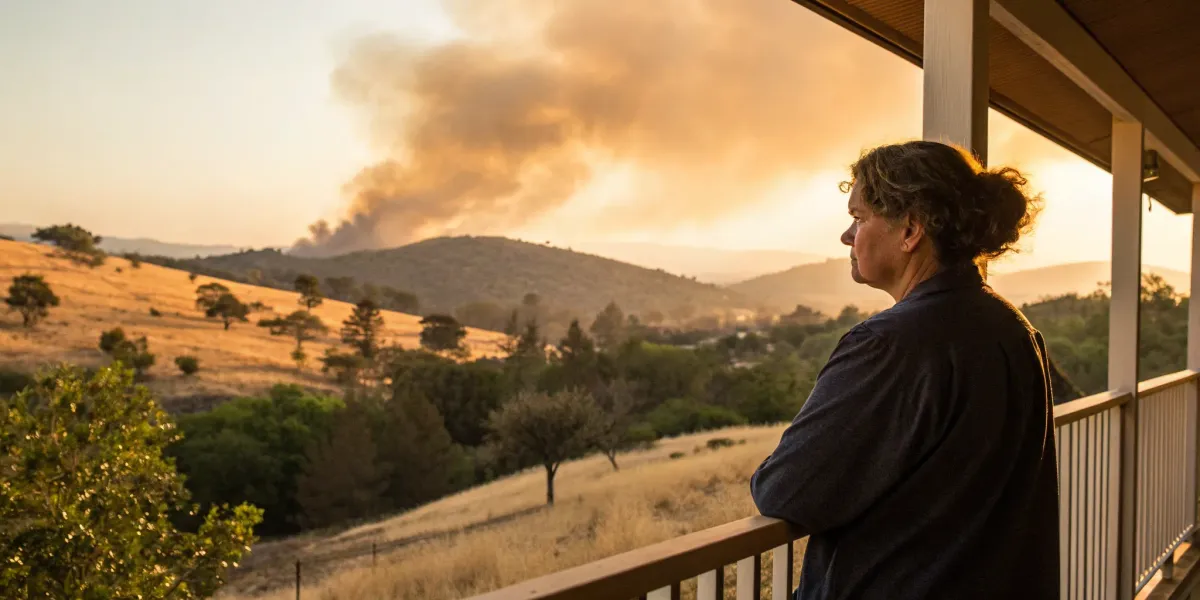
Receiving a non-renewal notice can send you into crisis mode, but let’s reframe it. Finding a new policy is a project, and like any project, it’s manageable with a clear plan. Instead of feeling overwhelmed, you can take it one step at a time. This guide is your project plan. We will break down exactly what to do when your home insurance is dropped in california, starting from the moment you open that letter. We’ll cover how to use online tools to see who is writing in your area, what to look for when comparing quotes, and how to make your home a better risk.
SubscribeKey Takeaways
- Make your home a lower-risk property: You can directly improve your chances of getting insured by creating defensible space, making key property upgrades like a new roof, and meticulously documenting all your work to prove you're a proactive homeowner.
- Start your search for new coverage immediately: Use the 75-day notice period to your advantage by starting your search the day you get the notice. Leverage online tools to see who is writing in your ZIP code and partner with an independent agent to shop multiple carriers at once.
- Understand your last-resort options and rights: If you can't find traditional coverage, the California FAIR Plan combined with a Difference in Conditions (DIC) policy is your safety net. Remember, you have the right to appeal an unfair non-renewal by contacting the California Department of Insurance.
Why Insurers Drop California Homeowners
Getting a non-renewal notice from your insurance company can feel personal and incredibly stressful. It’s easy to wonder what you did wrong, but often, the decision is part of a much bigger picture. Insurers are re-evaluating risk across the state, and many are reducing their exposure in areas they consider too risky. While some factors are out of your control, like your home’s location, others are well within your power to manage. Understanding exactly why an insurer might see your home as a high risk is the first step toward finding a solution and securing new coverage.
Your Home's Wildfire Risk Score
One of the biggest factors for any California homeowner is the property's wildfire risk score. Insurers use sophisticated models that analyze your home’s location, the surrounding terrain, local vegetation, and weather patterns to assign a risk rating. If your score is too high, some companies may decide not to offer or renew a policy. As the nonprofit United Policyholders notes, insurers often drop policies due to wildfire risk. While you can’t move your house, you can take powerful steps to mitigate wildfire damage, like upgrading vents and windows, which can make your property more attractive to insurers.
Issues with Your Property's Condition
Insurers look at your property as a whole, and its current condition plays a major role in their decision. They want to see a well-maintained home because good upkeep reduces the chance of a claim. According to Progressive, common reasons for non-renewal include property problems like an old roof or poor home maintenance. An inspector might flag a roof that’s nearing the end of its life, deferred maintenance like peeling paint, or even risky additions like a trampoline or an unfenced pool. These items can signal potential liability or property claims down the road, making your home a bigger risk to insure.
Not Meeting Defensible Space Rules
In California, defensible space is non-negotiable. This is the buffer you create between your home and the surrounding grass, trees, and shrubs that could fuel a wildfire. Insurers see a clean, well-managed defensible space as your first line of defense and a clear sign that you’re a proactive homeowner. If an inspector finds that you don't have enough defensible space around your property, it’s a major red flag. Failing to meet state and local clearance requirements can be a direct reason for non-renewal, as it significantly increases the odds of your home suffering damage during a wildfire.
Your Recent Claims History
Your history of filing claims can also influence an insurer’s decision. While you have insurance to use it when you need it, a pattern of frequent claims can make you appear high-risk. As Bankrate explains, filing a lot of insurance claims can make your home seem risky, which can lead to being dropped. This is less about a single, major claim after a disaster and more about multiple smaller claims over a few years. Insurers track this history through a database called the CLUE report. To keep your record clean, it can be wise to handle minor repairs yourself and save your insurance for significant losses.
Know Your Rights When Your Policy Is Canceled
Getting a non-renewal notice in the mail can feel like a punch to the gut. It’s stressful, frustrating, and it’s easy to feel powerless. But before you panic, you need to know that you have rights as a California homeowner. The state has put specific rules in place to protect consumers from being dropped without warning or for unjust reasons. Understanding these protections is your first line of defense.
Insurance companies can’t just decide to drop you on a whim. They have to follow a process, and that process is designed to give you time to react and find a new plan. This includes providing you with adequate notice, adhering to temporary moratoriums after a wildfire, and giving you a fair reason for their decision. If they fail to follow these rules, you have the right to challenge them. Knowing what you’re entitled to can make a huge difference, turning a moment of panic into a clear, actionable plan.
The 75-Day Notice Rule
In California, your insurance company can't leave you in the lurch. They are required by law to give you at least 75 days' written notice if they decide not to renew your policy. This isn't just a courtesy; it's a critical window of time for you to find new coverage without a dangerous lapse. A gap in your homeowners insurance can put your mortgage at risk and leave your biggest asset completely unprotected. Use this 75-day period wisely—it’s your head start to research new carriers, talk to agents, and secure a new policy before your old one expires. You can find more details on this and other consumer protections from groups like United Policyholders.
Protections from Wildfire Moratoriums
If your home is located near the site of a recent, major wildfire, you may have an extra layer of protection. After the governor declares a state of emergency for a wildfire, insurance companies are legally barred from canceling or non-renewing residential policies in and around that area for one full year. This mandatory moratorium is designed to give communities a chance to recover without the added stress of losing their insurance. The California Department of Insurance (CDI) website has a tool where you can enter your address to see if you’re covered by a current moratorium. It’s a temporary shield, but it can provide crucial stability when you need it most.
How to Appeal the Decision
If you believe your insurer dropped you unfairly or didn't follow the rules—for example, if they gave you less than 75 days' notice—you don't have to just accept it. You have the right to appeal the decision. Your first step should be to contact your insurance company to ask for a more detailed explanation. If their reasoning seems weak or you suspect discrimination, your next call should be to the California Department of Insurance. The CDI is the state’s consumer protection agency for insurance, and they can investigate your case. You can file a complaint or speak with their team by calling 1-800-927-HELP.
Your First Steps After Getting a Cancellation Notice
Getting a non-renewal or cancellation notice from your home insurance company can feel like a punch to the gut. It’s stressful and unsettling, but you have options. The key is to act quickly and strategically. By law, your insurer has to give you advance notice, which gives you a window to find a new policy without a gap in coverage. Taking a deep breath and following a clear plan will help you manage the situation and protect your home. Here are the first four steps you should take as soon as that notice arrives in your mailbox.
Read Your Notice Carefully
This seems obvious, but in a moment of panic, it’s easy to just see the headline and miss the details. Before you do anything else, sit down and read the entire notice from start to finish. Your insurer is required to state the specific reason for canceling or not renewing your policy. Is it due to your property’s wildfire risk score, a recent claim, or something else? Understanding the “why” is your first piece of leverage. If the reason is unclear or seems incorrect, make a note to ask about it. This document is the starting point for your action plan, so make sure you fully understand the details before moving on to the next step.
Call Your Insurer for Answers
Once you’ve read the notice, your next step is to get on the phone with your insurance company or agent. Don’t be afraid to ask direct questions. Inquire about the specific reason for the non-renewal and ask if there are any steps you could take to get them to reconsider their decision. For example, if the issue is related to wildfire risk, would providing proof of defensible space or home hardening upgrades make a difference? While a reversal isn't guaranteed, it's always worth asking. The California Department of Insurance encourages homeowners to contact their insurer immediately to discuss options. At the very least, the conversation will give you more clarity as you begin your search for a new policy.
Start Shopping for New Coverage Immediately
In California, insurers are typically required to give you at least 75 days' notice before your policy ends. This might sound like a lot of time, but it can go by quickly, especially in a challenging insurance market. That’s why you need to start shopping for a new policy the same day you get the notice. Don’t wait. Begin by getting quotes from several different companies to compare your options. You can work with an independent agent who can shop multiple carriers for you, or you can use an online tool like CovFind to see which insurers are actively writing policies in your area. The sooner you start, the more time you'll have to find the best possible coverage without feeling rushed.
Don't Let Your Coverage Lapse
This is the golden rule: do not let your home go uninsured, even for a single day. A lapse in coverage not only leaves your biggest asset completely unprotected but can also cause major problems with your mortgage lender. If you have a mortgage, your loan agreement requires you to maintain continuous homeowners insurance. If your lender finds out you’re uninsured, they will purchase a policy on your behalf. This is called force-placed insurance, and it’s incredibly expensive while offering very limited protection. Make sure your new policy is set to begin the moment your old one expires to avoid this costly mistake and keep your home safe.
How to Find a New Homeowners Policy
Getting a non-renewal notice can feel like a dead end, but it’s really the start of a new search. The California insurance market is tricky, but there are several paths you can take to find a new policy. The key is to act quickly and explore all your options, from working with specialized agents to using modern online tools. Think of this as a project: with the right strategy, you can find the coverage your home needs. Don't get discouraged by the first "no." Instead, focus on these practical steps to secure a new policy and protect your property.
Partner with an Independent Agent
One of the most effective first steps is to connect with an independent insurance agent. Unlike "captive" agents who only work for a single company (like State Farm or Allstate), an independent agent represents multiple insurers. This is a huge advantage for you. They can shop your policy around to various companies, including those you might not have heard of, to find one willing to offer coverage. They understand the complexities of the California market and can advocate on your behalf, saving you the time and frustration of calling dozens of companies yourself. Think of them as your personal insurance shopper, dedicated to finding the best fit for your unique situation.
Use an Online Tool like CovFind
Before you even start making calls, you can get a clear picture of the market right from your computer. An online tool like CovFind is designed specifically for this challenge. By simply entering your ZIP code, you can see which insurance companies are actively writing policies in your area. This instantly narrows your search and helps you avoid wasting time on insurers who have pulled back from your neighborhood. The California Department of Insurance also offers a finder tool that can point you toward licensed companies. Using these resources first empowers you with information, so you can approach agents and insurers with a solid list of potential options.
Look into Surplus Lines Insurers
If you’re struggling to find coverage in the traditional market, it’s time to learn about surplus lines insurers. These are non-admitted carriers that are authorized to insure properties that standard companies consider too high-risk. While they are regulated differently and their policies can be more expensive, they are a critical lifeline for many California homeowners in high-risk fire zones. An independent agent is usually the best way to access these insurers. It’s not the first choice for everyone, but it’s a legitimate and important option that can provide essential protection when other doors have closed.
Ask About Bundling Policies
Don't overlook the power of your existing relationships. If you have auto insurance, call your provider and ask if they offer homeowners coverage and if you can get it by bundling your policies. Insurers are often more willing to take on a higher-risk property if they are also getting your auto insurance business. This strategy can sometimes open doors that were previously closed or even lead to a discount. It’s a simple phone call that could solve your coverage problem. Make a list of any other insurance policies you have and reach out to each provider to see what options they can offer.
What to Do When You Can't Find Traditional Coverage
After weeks of searching, getting another "no" from an insurance company can feel defeating. If you've exhausted the traditional market and are still coming up empty, don't panic. You still have options. California has a safety net in place for homeowners in your exact situation, but it's important to understand how it works and what it doesn't cover before you sign up.
The California FAIR Plan: What It Is and Isn't
The California FAIR Plan is the state's insurer of last resort, designed for homeowners who can't get coverage anywhere else. Think of it as a basic backstop. The key word here is basic. FAIR Plan policies primarily offer fire protection, which is essential, but they don't cover common risks like theft or personal liability. As the consumer advocacy group United Policyholders points out, this limited coverage often comes at a higher cost than a standard policy. It’s a crucial safety net, but it’s not a complete replacement for a traditional homeowners policy.
Adding a Difference in Conditions (DIC) Policy
So, how do you protect yourself from risks the FAIR Plan doesn't cover? The answer is a Difference in Conditions (DIC) policy. This is a separate policy you buy from a private insurer that essentially "wraps around" your FAIR Plan policy to fill in the coverage gaps. A DIC policy can add protection for things like theft, water damage, and liability—the exact coverages missing from the basic plan. The California Department of Insurance recommends looking into a DIC policy to get more complete protection if you have to rely on the FAIR Plan. It’s an extra step, but a necessary one for comprehensive coverage.
Combining Policies for Full Coverage
Putting these two pieces together—the FAIR Plan and a DIC policy—is how you can build a comprehensive insurance solution when traditional options are off the table. While it might feel like a hassle to manage two separate policies, this combination is the standard approach for thousands of California homeowners. It’s important to remember that FAIR Plans are a safety net, not a first choice, because they often offer less coverage for a higher price. By pairing it with a DIC policy, you can ensure your home and your financial well-being are properly protected against a wider range of potential disasters, not just fire.
How to Compare Insurance Quotes the Right Way
Once you have a few quotes in hand, the real work begins. It’s tempting to just scan for the lowest price and call it a day, but comparing policies is about much more than the annual premium. In California’s tough market, the details hidden in the fine print can make all the difference when you need your coverage the most. Taking the time to compare quotes apples-to-apples ensures you’re getting solid protection and not just a cheap policy that will let you down later. Think of it as choosing the best value for your peace of mind, not just the lowest number on a page.
Look Beyond the Premium Price
That bottom-line number—the premium—is what everyone looks at first, but it rarely tells the whole story. A cheaper policy might come with sky-high deductibles or dangerously low coverage limits that leave you financially exposed after a disaster. Especially in high-risk areas, finding new insurance can sometimes mean paying more for less protection. Instead of asking, "Which quote is cheapest?" ask, "Which quote offers the most comprehensive protection for my home and family at a price I can manage?" This shift in perspective helps you focus on the true purpose of insurance: being made whole after a loss.
Compare Coverage Limits and Deductibles
This is where you need to get specific. Look at the dwelling coverage limit (Coverage A) on each quote. Does it cover the full cost to rebuild your home from the ground up, including today’s labor and material costs? Many homes are underinsured, so this number is critical. Also, check if the policy provides "Replacement Cost Value" (RCV) instead of "Actual Cash Value" (ACV). RCV pays to rebuild with new materials, while ACV subtracts depreciation, leaving you with a much smaller payout. A higher deductible will lower your premium, but make sure it’s an amount you can comfortably pay out-of-pocket at a moment's notice.
Watch Out for Policy Red Flags
As you compare, keep an eye out for potential issues. Be cautious if you’re offered a policy from a "non-admitted" or "surplus lines" insurer. These companies are not fully regulated by the state, and their customers aren't protected by California's safety net (CIGA) if the insurer goes bankrupt. While they are a necessary option for some, you should understand the risks. Also, look closely at policy exclusions. If your last insurer dropped you for your old roof, a new policy might exclude all roof-related damage. Make sure the coverage you’re buying actually protects you from the risks your property faces.
Where to Find Help and Support
Getting a non-renewal notice can feel incredibly isolating, but you don’t have to figure this out on your own. California has several organizations and professionals dedicated to helping homeowners in your exact situation. From state regulators who protect your rights to independent experts who can shop the market for you, there’s a strong support system available. Tapping into these resources can give you clarity, confidence, and a clear path forward when you feel stuck.
The California Department of Insurance
If you feel your policy was dropped unfairly, the California Department of Insurance (CDI) is a crucial resource. This state agency is designed to protect consumers and ensure insurance companies are playing by the rules. For example, if you received less than 75 days' notice before your non-renewal, or if you believe the cancellation violates the state’s wildfire moratoriums, you should absolutely get in touch with them. You can file a complaint or ask for assistance directly on their website or by calling their consumer hotline. They are there to investigate your situation and hold insurers accountable.
Consumer Advocacy Groups
Sometimes you just need someone in your corner who isn't trying to sell you something. Non-profit consumer advocacy groups like United Policyholders are an incredible source of unbiased information and support. They offer free guidance, webinars, and articles that break down complex insurance topics into plain English. These groups can help you understand your rights as a policyholder, give you tips for finding new coverage, and provide a roadmap for what to do after being dropped. They exist solely to help homeowners like you make informed and empowered decisions during a stressful time.
Professional Insurance Brokers
Working with a professional insurance broker can be a game-changer. Unlike an agent who works for a single company, an independent broker works with multiple insurers. This gives them a broad view of the market and allows them to shop for the best possible policy on your behalf. A good broker will take the time to understand your property’s unique characteristics and find carriers that are still writing policies in your area. They do the legwork of comparing quotes and coverage options, which saves you time and can uncover policies you wouldn’t have found on your own.
Improve Your Chances of Getting Covered
After receiving a non-renewal notice, it’s easy to feel like the situation is out of your hands. But you have more power than you might think. By taking proactive steps to reduce your home’s risk profile, you can make your property much more attractive to insurers. Think of it as putting your home’s best foot forward. Insurance companies are all about managing risk, so anything you can do to demonstrate that your property is a safer bet will work in your favor.
Focusing on key areas like property upgrades, fire safety, and even your personal financial health can make a significant difference when you start shopping for a new policy. These actions not only improve your chances of getting covered but can also help you secure better rates. It’s an investment in both your property’s safety and your financial stability. Let’s walk through the most impactful steps you can take.
Make High-Impact Property Upgrades
If your home has older features, certain upgrades can be a game-changer for insurers. A new roof, updated electrical and plumbing systems, or reinforced foundations show that your home is well-maintained and less likely to suffer from common issues that lead to claims. Before you invest, it’s a great idea to ask your current or a potential insurer which improvements could help you maintain or secure a policy. They may even offer discounts for specific upgrades, like installing a Class A fire-rated roof. Focusing on high-impact projects shows you’re a responsible homeowner, which is exactly what insurers want to see.
Create and Maintain Defensible Space
For California homeowners in wildfire-prone areas, defensible space is non-negotiable. This is the buffer you create between your home and the surrounding grass, trees, and wildland. It’s designed to slow or stop the spread of a wildfire. Following CAL FIRE’s guidelines is your best course of action. This includes clearing dead vegetation, trimming trees, and removing flammable materials from near your home. Many local fire departments offer free inspections or programs to help you identify risks. Proving you meet or exceed these standards is one of the most effective ways to show an insurer you’re serious about mitigating wildfire risk.
Document Your Home's Condition
If your policy was dropped because of your home’s condition—say, a deteriorating roof or peeling paint—your first step is to fix the problem. Your second, equally important step is to document everything. Keep detailed records of all repairs and improvements. Take before-and-after photos, save receipts for materials and labor, and keep copies of any permits or inspection reports. When you apply for a new policy, this file becomes your proof that you’ve addressed the insurer's concerns. This documentation can help you appeal a non-renewal decision or make a strong case to a new insurance provider.
Keep Your Credit Score Healthy
This one might surprise you, but your credit history can play a role in your insurance options. Some insurers use a credit-based insurance score to help predict the likelihood of a future claim. A sudden drop in your credit score can be a red flag, making it harder to find affordable coverage. You don’t need a perfect score, but maintaining a healthy credit history is a good practice. You can check your credit report for free from the major credit bureaus to ensure there are no errors and see where you stand. It’s another piece of the puzzle that contributes to your overall risk profile.
How to Prevent a Future Cancellation
Once you’ve secured a new policy, the last thing you want is to go through this stressful process again. Staying insured in California requires a proactive approach. By treating your home and your insurance policy with care, you can significantly reduce the chances of receiving another non-renewal notice down the road. It’s about showing your insurer that you are a responsible partner in protecting your property. The following steps are not just about appeasing an insurance company; they’re about making your home safer and managing your own risk effectively, which is a win-win for everyone.
Commit to Regular Home Maintenance
Insurers see a well-maintained home as a lower-risk property. If your previous policy was dropped due to your home's condition, addressing those issues is your first priority. This goes beyond wildfire mitigation. Simple things like a deteriorating roof, peeling paint, or a crumbling walkway can signal neglect to an inspector. Committing to regular home maintenance shows your insurer that you’re actively protecting your investment from common hazards like water damage or liability claims. Think of it as an ongoing part of homeownership that also protects your insurability. A clean, well-kept property is simply less likely to have the kinds of problems that lead to claims.
Think Twice Before Filing Small Claims
It can be tempting to file a claim for every minor issue, but it’s often not worth it in the long run. Insurance companies track your claims history, and multiple small claims can make you appear riskier than a homeowner who only files for major, catastrophic events. Your homeowners policy is best saved for significant losses that you couldn’t possibly cover on your own. Before contacting your insurer about a minor repair, get a quote from a contractor. If the cost is close to your deductible, it’s almost always better to pay out of pocket. This keeps your claims history clean and helps you avoid a premium hike or non-renewal.
Stay on Top of Defensible Space Rules
Creating defensible space is not a one-and-done project; it requires consistent upkeep. Local fire safety regulations can also change, so it’s important to stay informed. Your local fire department is an excellent resource for understanding the specific requirements in your area. Many offer free inspections or consultations to help you identify and address potential hazards. Regularly clearing brush, trimming trees, and maintaining the "ember-resistant zone" within five feet of your home are critical tasks. Following these guidelines not only makes your home safer but also demonstrates to insurers that you are serious about reducing your wildfire risk.
Keep Detailed Records of Your Upgrades
When you make improvements to your home, especially those related to risk reduction, document everything. Did you install a Class A fire-rated roof? Replace your single-pane windows with tempered, double-pane versions? Invest in extensive brush clearing? Keep a dedicated folder with receipts, permits, and before-and-after photos of the work. This documentation is powerful proof that you are actively hardening your home. Don’t wait for your insurer to ask for it—proactively share these records with your agent, particularly before your policy renewal. These upgrades could be the key factor that convinces them to keep you as a customer.
Related Articles
- How to Find New Insurance After Non-Renewal in CA
- How to Find Insurance After a CA Non-Renewal
- Getting Insurance After Being Dropped in California
Frequently Asked Questions
Can I get my old insurance company to change its mind about dropping me? It’s possible, but you shouldn't count on it. Your first move should be to call your agent or the company directly and ask for the specific reason you were dropped. If the issue was something you can fix, like a damaged roof or a lack of defensible space, ask them if they would reconsider your policy once you’ve completed the work. While a reversal isn't common, having this conversation gives you valuable information for your search and shows future insurers that you’re a proactive homeowner.
My house isn't in a high-fire zone. Why was I still dropped? While wildfire risk is a huge factor in California, it’s not the only thing insurers look at. A non-renewal can also be triggered by the physical condition of your property, such as an old roof, deferred maintenance, or even an unfenced swimming pool. Your personal claims history also plays a big role. If you’ve filed several small claims over the past few years, an insurer might see you as a higher risk, regardless of your home’s location.
What's the most effective first step to finding a new policy? The single most effective step is to contact an independent insurance agent the same day you receive your non-renewal notice. Unlike agents who work for just one company, independent agents can shop your policy to dozens of different carriers, including some you may have never heard of. They understand the challenging market and can quickly identify which companies are still writing policies in your area, saving you an enormous amount of time and frustration.
Is the FAIR Plan my only option if I keep getting rejected? The FAIR Plan is an insurer of last resort, not your only alternative. Before you go that route, make sure you have explored all your options in the private market, including surplus lines insurers, which specialize in higher-risk properties. An independent agent is your best resource for accessing these companies. The FAIR Plan is a critical safety net, but it should only be considered after you’ve exhausted all other possibilities for more comprehensive coverage.
I've made a lot of fire-safety upgrades. Why am I still having trouble finding coverage? This is a common and completely valid frustration. The problem is that an insurer won't know about your hard work unless you provide clear proof. It’s essential to document every single upgrade you make. Keep a detailed file with receipts, permits, and before-and-after photos of your new fire-rated roof, upgraded vents, or defensible space clearing. When you apply for a new policy, give this documentation to the agent so they can make the strongest possible case on your behalf.