The California Homeowners Insurance Crisis Explained
Get clear answers on the California homeowners insurance crisis, why premiums are rising, and what steps you can take to protect your home and budget.
It’s easy to feel powerless when you hear that major insurance companies are hitting the brakes on writing new policies in the state. The headlines can make it seem like finding coverage is impossible, but that’s not the full picture. While the market is undeniably tough, you have more control than you might think. Taking direct, proactive steps to make your home a lower-risk property can significantly improve your chances of getting a policy. This guide is about focusing on what you can do right now. We'll walk through the practical strategies that address the core of the California homeowners insurance crisis and help you build a strong case for why your home is a good risk.
SubscribeKey Takeaways
- Make Your Home an Easier ‘Yes’ for Insurers: You can directly improve your chances of getting coverage by implementing fire-hardening measures and creating defensible space. Document every upgrade with photos and receipts to provide insurers with concrete proof that your home is a lower risk.
- Know Your Safety Nets and Their Limits: The California FAIR Plan is a crucial last-resort option, but it only covers fire damage. For complete protection against risks like theft and liability, you'll need to purchase a separate "Difference in Conditions" policy or explore specialized surplus lines insurance.
- Start Your Search Early and Be Persistent: Don't wait until your renewal is imminent. Begin shopping for a new policy at least 60-90 days in advance, and don't get discouraged by initial rejections. The market is fragmented, so finding a carrier requires persistence and knowing where to look.
What Is the California Homeowners Insurance Crisis?
If you’ve recently received a non-renewal notice or been shocked by a premium quote, you’re not alone. Finding affordable, reliable homeowners insurance in California has become a major challenge, leaving many of us feeling stressed and uncertain. This isn't just a string of bad luck; it's a statewide crisis driven by a perfect storm of rising wildfire risks, insurer pullbacks, and complex regulations. Major companies that once covered homes across the state are now hitting the brakes, making it harder than ever to protect our biggest investment.
The result is a market in turmoil. Premiums are skyrocketing, non-renewals are becoming common, and the state's insurer of last resort, the FAIR Plan, is seeing its enrollment numbers swell. It’s a frustrating situation, but understanding the key factors at play is the first step toward finding a path forward. We’ll break down exactly what’s happening, why it’s happening, and what it means for you as a California homeowner.
Why Insurers Are Leaving the State
It feels personal when you get that non-renewal letter, but the reality is that major insurance companies are making broad, strategic decisions to reduce their exposure in California. Companies like State Farm and Allstate have publicly announced they are either pausing or severely limiting new policies, especially in areas they deem high-risk for wildfires. This trend of insurer pullbacks has left countless homeowners scrambling for coverage.
So, why the sudden exit? Insurers argue that the increasing frequency and severity of wildfires have made it financially unsustainable for them to operate under the old rules. They claim they can no longer accurately price risk based on historical data alone and want to use forward-looking predictive models that account for future climate change impacts.
How Much Premiums Have Increased
The sticker shock is real. While homeowners insurance costs are rising nationwide, California has been hit particularly hard. Between 2018 and 2022, average premiums in some fire-prone areas jumped 33% more than inflation. It’s not uncommon to see annual premiums climb from around $5,000 to nearly $7,000 in just a few years. This isn't just an issue for homes in high-risk zones; the ripple effect is being felt across the state.
Even the state's last-resort option isn't cheap. The average annual cost of the FAIR Plan was about $3,200 in 2022, with significant rate hikes expected. These rising costs are putting immense financial pressure on homeowners, forcing some to make difficult choices about their budgets.
The Rise of Non-Renewals and Cancellations
As private insurers retreat, more homeowners are being forced onto the California FAIR Plan. The number of policies under the FAIR Plan has more than doubled in just four years, a clear sign that the traditional insurance market is failing to meet demand. This rapid growth shows just how many Californians are being dropped by their long-time insurers and are left with few other options.
In response, the state has introduced the Sustainable Insurance Strategy. This new framework aims to stabilize the market by allowing insurers to use the predictive wildfire models they’ve been asking for. In exchange, these companies must agree to write more policies in wildfire-prone areas, hopefully creating more options for homeowners who have been left behind.
Why Is This Happening to California Homeowners?
If you’re feeling overwhelmed by non-renewal notices and shocking premium quotes, you’re not alone. It can feel personal, but California’s insurance market is caught in a perfect storm of environmental, regulatory, and economic pressures. Understanding these forces is the first step toward finding a path forward. It’s a combination of more destructive wildfires, state rules that are only now being updated, and financial pressures on insurers that stretch far beyond our state’s borders. Let's break down what’s driving this crisis.
The Growing Threat of Wildfires
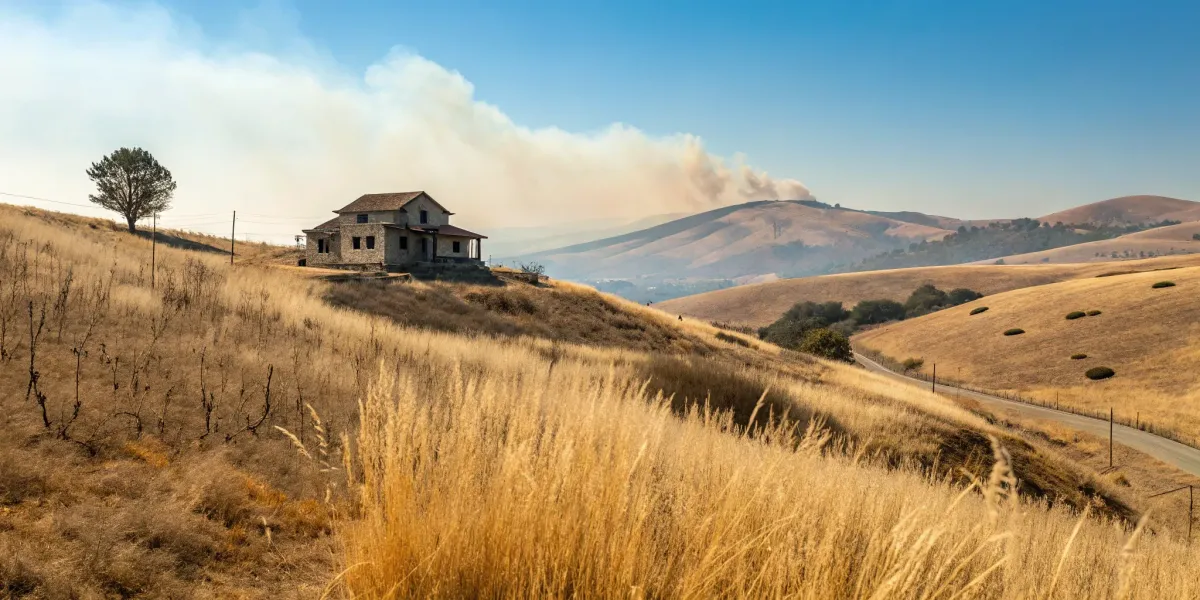
At the heart of the crisis is a stark reality: California's wildfires are more frequent and destructive. Climate change has created hotter, drier conditions, and the financial toll is staggering. Major fire events can destroy thousands of homes and cause billions in damages. Faced with this escalating risk, many insurers have decided the potential for catastrophic payouts is too high. This financial retreat is a direct response to the California fire insurance crisis and is the primary reason so many companies have paused writing new policies in the state.
How State Regulations Affect Your Rates
For years, California law required insurers to set rates based only on historical loss data, preventing them from pricing for future risks. That's changing. The state has introduced the Sustainable Insurance Strategy, a reform allowing insurers to use forward-looking wildfire models to calculate rates. In exchange for this change—which will likely mean higher premiums—insurers must commit to writing more policies in high-risk areas. This is a key part of the state's effort to address the coverage crisis and bring insurers back to the market.
Global Pressures Driving Up Local Costs
This isn't just a California problem. Insurance is a global business, and insurers buy their own coverage—called reinsurance—to handle massive losses. With climate-related disasters increasing worldwide, the cost of reinsurance has skyrocketed. These global costs are passed down to local insurers and, ultimately, to you as higher premiums. Homeowners insurance prices across the U.S. have been rising faster than inflation for years, showing that California’s situation is part of a much larger national bellwether for rising costs in the face of growing climate risks.
What Are Your Options If You Can't Get Coverage?
Receiving a non-renewal notice can feel like a punch to the gut. After years of paying your premiums on time, being told you’re too risky to insure is frustrating and frankly, a little scary. When you start shopping around and find that few, if any, traditional insurers are willing to offer you a policy, it’s easy to feel like you’ve run out of road. But you haven’t.
While the market is tough, there are still pathways to protect your home. The key is understanding that these alternatives work differently than the standard policies you’re used to. They often require more effort to piece together and can be more expensive, but they provide a critical safety net. Your main options are the state's last-resort plan and specialized insurers who operate outside the standard market. Let’s break down what these are so you can figure out the best path forward for your family.
The FAIR Plan: What It Is and What It Isn’t
If you’ve been rejected by traditional insurance companies, you’ve probably heard about the California FAIR Plan. It’s often called the "insurer of last resort" for a reason—it’s a state-mandated pool that provides basic fire insurance to homeowners who can't get it anywhere else. The most important thing to understand is that the FAIR Plan is not a comprehensive homeowners policy. It primarily covers damage from fire, lightning, and internal explosions. It does not cover common risks like theft, water damage, or personal liability. To get that kind of protection, you’ll need to buy a separate "Difference in Conditions" (DIC) policy from a private insurer to wrap around your FAIR Plan policy. This two-policy approach is more complex and often more expensive, but it’s a viable way to get coverage.
Exploring Surplus Lines Insurance
Another route to consider is surplus lines insurance. Think of these as specialized insurers who are willing to take on risks that standard carriers won’t touch. Because they aren’t bound by the same state rate regulations as admitted carriers like State Farm or Allstate, they have more flexibility in what they cover and how much they charge. This means premiums can be higher, but it can also be a way to get a comprehensive policy that covers more than just fire damage. An independent insurance broker can help you find surplus lines insurance and determine if it’s a better financial fit for you than the FAIR Plan combined with a DIC policy. It’s an essential option to explore before settling on a last-resort plan.
The Real Risks of Being Uninsured
With rising costs and shrinking options, going without insurance might seem tempting. Please don’t do it. Your home is your most significant financial asset, and leaving it unprotected in a high-risk state like California is a gamble you can’t afford to take. If you have a mortgage, your lender requires you to maintain coverage. If your policy lapses, they will purchase "force-placed" insurance on your behalf, which is incredibly expensive and only protects the bank’s interest—not your equity or belongings. While the current options aren’t perfect, having a FAIR Plan policy is infinitely better than facing financial ruin after a fire. The consequences of being uninsured are simply too severe to risk.
How to Improve Your Chances of Getting a Policy
Feeling stuck in the search for insurance is frustrating, but you have more power than you might think. While you can’t control wildfire patterns or industry trends, you can take direct action to make your home a more attractive, lower-risk property to insurers. It’s about showing them you’re a proactive partner in protecting your home.
Insurance companies use complex models to decide who to cover, and a big part of their calculation is your home’s specific vulnerability to damage. By taking clear, documented steps to reduce your fire risk, you can directly influence that assessment and improve your odds of getting a policy. It requires some effort, but these actions can make a significant difference when an underwriter reviews your application. Think of it as building a strong case for why your home is a good risk. From upgrading your building materials to maintaining the landscape around your property, every step you take can help you stand out in a competitive market. We’ll walk through the most effective strategies you can start using right away.
Harden Your Home Against Wildfires
“Home hardening” simply means using building materials and installation techniques that make your home more resistant to catching fire. Embers from a wildfire can travel a mile or more, and they are a primary cause of homes igniting. Your goal is to close off any potential entry points. This can include installing fine mesh screens over vents to block embers, choosing non-combustible siding like fiber cement or stucco, and upgrading to dual-paned windows, which are less likely to break from heat. Even small changes, like ensuring your roof is in good repair and free of flammable debris, contribute to a more fire-hardened home.
Create Defensible Space Around Your Property
Defensible space is a buffer you create between your home and the surrounding grass, trees, and shrubs. This buffer helps slow or stop the spread of wildfire and protects your home from catching fire. California law requires homeowners in high-risk areas to maintain this space. The most important zone is the first 30 feet around your house. In this area, you should clear away dead plants, dry leaves, and pine needles from your yard, roof, and gutters. It’s also wise to trim trees so the lowest branches are at least six feet from the ground. Creating defensible space doesn’t mean you have to clear-cut your property; it’s about thoughtful landscaping and regular maintenance.
Document Your Risk-Reduction Efforts
After you’ve invested time and money into making your home safer, you need to prove it. Keep a detailed record of every upgrade and maintenance task you complete. Take before-and-after photos of your projects. Save all receipts for materials, invoices from contractors, and any certificates you receive for fire-safe products. Organize this information in a folder that you can easily share with insurance agents. When you can provide clear documentation of your risk-reduction efforts, you’re not just telling an insurer your home is a lower risk—you’re showing them. This evidence can be a powerful tool in your search for coverage.
Know the Best Time to Shop for Insurance
Don’t wait until a week before your policy expires to start looking for a new one. The insurance market is changing quickly, and you need time to explore your options without pressure. Start shopping for a new policy at least 60 to 90 days before your renewal date. This gives you plenty of time to research companies, gather quotes, and speak with different agents. It’s also a good idea to periodically check which insurers are writing policies in your area, even if your renewal isn’t coming up. Being informed about your home insurance options ahead of time allows you to make the best decision for your home and your budget.
Common Mistakes to Avoid Right Now
When you’re dealing with the stress of finding homeowners insurance in California, it’s easy to feel overwhelmed and fall into a few common traps. Hearing "no" from insurer after insurer is discouraging, and the constant stream of bad news can make you want to either give up or make a rash decision out of desperation. But in a market this challenging, your strategy matters more than ever. Taking a proactive and informed approach is your best defense.
This isn’t about finding a magic bullet—it’s about making smart, deliberate moves that put you in a better position. Many homeowners make assumptions that end up costing them time, money, and peace of mind. They might give up too soon, misunderstand their options, or put off critical home improvements that could make all the difference. By understanding these pitfalls ahead of time, you can steer clear of them. Let’s walk through the biggest mistakes people are making right now so you can keep your search focused, productive, and give yourself the best possible chance of finding the coverage your home needs.
Mistake #1: Assuming No One Will Insure You
It’s true that some of the biggest names in insurance have publicly stopped writing new policies in many parts of California. Reading headlines about major carriers like State Farm and Allstate pulling back can make you feel like your situation is hopeless, but that’s not the full picture. While some companies have retreated, others are still actively writing policies, though they may be smaller or more selective about the homes they cover. The market has become fragmented, not impossible. The key is knowing where to look. Instead of giving up after a few rejections, your goal should be to find the carriers that are still open for business in your specific ZIP code.
Mistake #2: Treating the FAIR Plan as a Complete Solution
If you’re struggling to find coverage, you’ve probably heard about the California FAIR Plan. It’s often presented as a safety net, but it’s crucial to understand its limitations. The FAIR Plan is a last-resort policy, not a replacement for traditional homeowners insurance. A standard FAIR Plan policy offers only basic fire coverage, meaning it won’t protect you from common risks like theft, water damage, or liability. To get that protection, you have to buy a separate "difference in conditions" policy from a private insurer, which adds another layer of cost and complexity. Think of it as a foundational, emergency option—not a comprehensive solution.
Mistake #3: Delaying Your Home Safety Upgrades
In this market, insurers are looking for reasons to say yes. One of the best ways to make your home more attractive to them is by actively reducing its wildfire risk. Insurers pay close attention to the steps you’ve taken to harden your home. This includes projects like installing a fire-resistant roof, clearing flammable vegetation to create defensible space, and covering vents with fine mesh to keep embers out. Putting these upgrades on the back burner can be a costly mistake. Document every improvement you make—it’s powerful evidence that you’re a responsible homeowner and a lower risk to insure.
Mistake #4: Waiting for the Problem to Fix Itself
It’s tempting to hope that the market will stabilize or that new regulations will quickly solve everything. While state officials are working on a new insurance strategy, these changes will take time to implement, and there’s no guarantee they will bring immediate relief. Premiums are still rising, and non-renewals continue to be a reality for many. Waiting passively for the situation to improve is a risky gamble. If your policy is up for renewal in the next year, the time to start exploring your options, hardening your home, and getting a clear picture of the market is now. Don’t wait until you receive a non-renewal notice to start scrambling for a plan.
What Is Being Done to Fix the Insurance Market?
It’s completely understandable to feel like you’re on your own in this crisis, but it’s important to know that major changes are happening behind the scenes. State regulators are actively working on a plan to stabilize the insurance market and bring carriers back to California. The goal is to create a system where insurers can operate sustainably and homeowners can find the coverage they need. This involves a significant overhaul of long-standing regulations, creating a new framework that directly addresses the challenges of pricing insurance in the face of growing wildfire risk. Let’s look at the key pieces of this plan.
California's New "Sustainable Insurance Strategy"
The centerpiece of the state's reform efforts is the "Sustainable Insurance Strategy." Think of it as a large-scale bargain between regulators and insurance companies. For years, insurers have been asking for permission to use modern tools to set their prices, arguing that the old rules tied their hands. Under this new strategy, the state is giving them what they want. In return, insurers must commit to offering more coverage in the very places they’ve been leaving. This is a fundamental shift designed to move the market away from the cycle of non-renewals and pullbacks, creating a more reliable system for homeowners.
Using Modern Models to Predict Wildfire Risk
A key part of this new strategy involves allowing insurers to use forward-looking catastrophe models. Instead of only looking at historical fire data, which doesn't capture our state's changing climate, these are sophisticated computer models that predict future wildfire risk. The California Department of Insurance has already completed its review of the first new model, marking a major step forward. By giving insurers a clearer, more accurate picture of the risks they’re taking on, the state aims to make them more confident about writing policies. This move is a critical component of the state's reform plan to get the market working again.
Requiring Insurers to Cover More Homes
This isn't a one-sided deal that only benefits insurance companies. The state has built a powerful requirement into the new rules: if an insurer wants to use these modern wildfire models to inform their rates, they must agree to increase the number of policies they write in high-risk areas. This is the core of the trade-off. California is making it clear that access to better rate-setting tools comes with a firm responsibility to serve the community. This requirement directly tackles the availability crisis by compelling insurers to participate in the market, rather than simply avoiding neighborhoods with higher wildfire risk.
What Does the Future Look Like for Homeowners?
It’s completely understandable to feel anxious about the future of your home and your ability to protect it. The current insurance market is tough, and it’s clear that the challenges California faces are a sign of what other states may soon experience. While there isn't a simple, overnight fix, there are significant changes happening that aim to bring stability back to the market. The key is understanding these shifts and knowing how you can position yourself to find the coverage you need. The path forward involves a combination of new state regulations, proactive steps from homeowners like you, and a gradual adjustment from insurance carriers.
When Can We Expect the Market to Stabilize?
This is the question on every homeowner's mind. The good news is that major steps are being taken. California has introduced a plan called the Sustainable Insurance Strategy, which fundamentally changes the rules for insurers. For years, companies could only use historical data to set rates. Now, they can use modern catastrophe models that predict future wildfire risk. In exchange for this flexibility, insurers must commit to writing more policies in high-risk areas. The goal is to create more accurate and fair pricing, preventing the huge rate shocks we’ve seen after major fires and encouraging carriers to re-enter the market. While it will take time for these changes to fully take effect, they are designed to create a more predictable and stable environment for everyone.
How to Plan for Your Home's Future
While regulators and insurers work on the big picture, you have the power to make your property a more attractive risk. Insurers are now required to reward homeowners who take steps to protect their homes from wildfires. This means your efforts to harden your home can directly impact your ability to get coverage. Focus on creating "defensible space" by clearing flammable vegetation around your house and using fire-resistant materials for roofing, siding, and vents. Document every upgrade you make with photos and receipts. This proactive approach not only makes your home safer but also provides tangible proof to insurers that you are actively reducing your risk, which can make all the difference when you’re shopping for a policy.
What This Means for California's Housing Market
The insurance crisis doesn't just affect individual homeowners; it has a ripple effect across the entire housing market. When insurance is unavailable or unaffordable, it becomes harder for people to buy and sell homes. The long and difficult process of rebuilding after a disaster can also shrink the housing supply, driving up prices and rent for everyone. Without adequate insurance, homeowners face the devastating risk of losing everything and being unable to rebuild. This instability impacts property values, local economies, and the overall health of our communities. Addressing the insurance crisis is essential not just for protecting individual homes, but for ensuring the long-term stability of California's housing market.
Related Articles
- How to Navigate the CA Homeowners Insurance Crisis
- Who Are the Insurance Carriers Writing in California?
- Why Insurers Cancel Fire Insurance in California
- How to Get Homeowners Insurance in California
Frequently Asked Questions
Will making my home safer from wildfires guarantee I can get a policy? While there’s no absolute guarantee, it is the single most effective step you can take to improve your chances. Insurers are now required to consider the risk-reduction measures you’ve taken. When you harden your home and create defensible space, you are actively lowering your property's risk profile. Think of it as building a strong case for why your home is a smart risk to take on. Be sure to document every upgrade with photos and receipts to provide concrete proof to potential insurers.
Is the FAIR Plan my only option if my insurer drops me? Not necessarily, but it is the safety net available to everyone who is denied coverage elsewhere. Before you turn to the FAIR Plan, it’s worth exploring surplus lines carriers. These are specialized insurers that cover risks standard companies won’t. An independent insurance broker can help you find these options and compare them to the cost and complexity of a FAIR Plan policy combined with a separate Difference in Conditions policy.
My insurer sent me a non-renewal notice. Does this mean they've left California completely? A non-renewal notice usually doesn't mean the company has packed up and left the state for good. More often, it’s a strategic decision to reduce their concentration of policies in certain areas they consider high-risk. The company may still be insuring thousands of other homes across California. Your non-renewal is more about their internal risk management in your specific neighborhood than a total market exit.
Will my insurance rates go down once the state's new regulations take effect? The primary goal of the state's new Sustainable Insurance Strategy is to bring stability and availability back to the market, not necessarily to lower rates immediately. Allowing insurers to use modern risk models means prices will more accurately reflect the real-world risk of wildfires. In the short term, this may not lead to lower premiums, but the trade-off is that insurers must commit to writing more policies, which should create more options for homeowners.
I'm not in a high-risk fire zone. Why are my rates still going up so much? This is a frustrating reality of the current market. The crisis has a ripple effect across the entire state. Insurance is based on shared risk, and the massive, statewide losses from recent wildfires drive up costs for everyone. Furthermore, insurers themselves buy their own insurance, called reinsurance, on a global market. With climate-related disasters increasing worldwide, the cost of reinsurance has soared, and those costs are passed down to all policyholders, not just those in high-risk areas.