
What Is California Doing About Homeowners Insurance?
Get clear answers to what is California doing about homeowners insurance, including new rules, coverage options, and tips for finding the right policy.
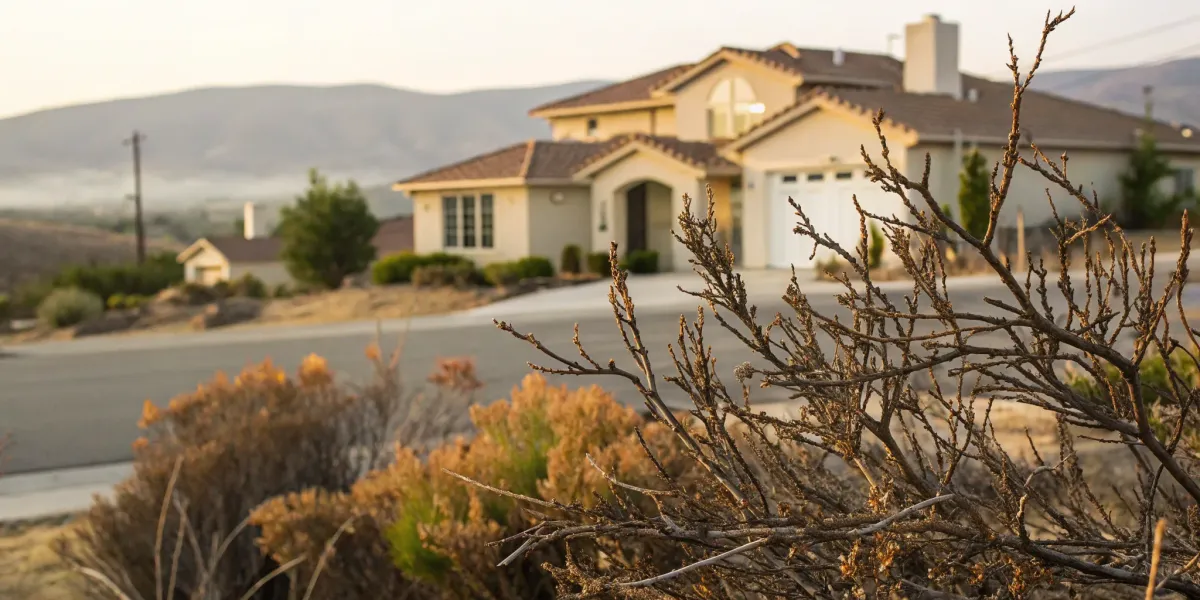
A perfect storm of climate change, outdated regulations, and massive financial risk has thrown California’s homeowners insurance market into chaos. For years, the system struggled to keep up, and now many residents are paying the price with non-renewals and sky-high premiums. But the state is finally taking decisive action. The central question is, what is California doing about homeowners insurance to calm this storm? The answer lies in the new Sustainable Insurance Strategy—a plan that gives insurers modern tools in exchange for their commitment to cover more homes. We’ll explain how this give-and-take works and what it means for your wallet.
SubscribeKey Takeaways
- This is a market-wide problem, not a personal rejection: Escalating wildfire risk has made it difficult for insurers to operate, causing them to pull back across the state. The lack of options and higher costs are affecting everyone, not just you.
- State reforms are creating a new deal for insurers: California is overhauling its rules to bring companies back. In exchange for modern risk-pricing tools, insurers must commit to writing more policies in high-risk communities, which should increase your options over time.
- Focus on what you can control to find coverage now: Your most effective steps are to make your home more fire-resistant to qualify for premium discounts and to work with an independent insurance broker. They have the expertise to find all available policies, including the improved FAIR Plan.
Why Is It So Hard to Find Home Insurance in California?
If you’ve been struggling to find or keep your homeowners insurance, you’re not imagining things. The market has become incredibly challenging for California residents, leaving many feeling stuck and uncertain. It’s not just you; it’s a statewide crisis driven by a few powerful forces that have completely reshaped the insurance landscape. Understanding what’s happening behind the scenes is the first step toward finding a path forward. The combination of more extreme weather, outdated regulations, and major financial risks for insurers has created a perfect storm, making coverage scarce and expensive.
How Wildfires Changed the Insurance Game
The biggest factor is the dramatic shift in California's wildfire risk. What used to be a predictable "fire season" has now become a year-round threat, with fires burning hotter, faster, and more destructively than ever before. This isn't just a feeling; it's a reality driven by our changing climate. For insurance companies, this new normal makes it incredibly difficult to predict their potential losses. The old models they used to calculate risk are no longer reliable, and the potential for catastrophic payouts has skyrocketed. When risk becomes this unpredictable, insurers get nervous about taking on new policies, especially in areas they now see as dangerously vulnerable.
Why Big Insurers Are Pulling Out
Faced with unprecedented risk, many of the big-name insurance companies have hit the brakes. In fact, seven of the 12 largest insurers in the state have either stopped writing new policies altogether or have severely restricted where and how they’ll offer coverage. This isn't personal; it's a business decision. When the potential cost of paying out claims for widespread wildfire damage outweighs the money they collect in premiums, they choose to limit their exposure to protect their financial stability. This massive pullback has shrunk the pool of available options, forcing homeowners to compete for fewer and fewer policies from the companies that remain.
What This Means for Your Policy and Your Wallet
Ultimately, this all comes back to you, the homeowner. The insurance industry is often called the "canary in the coal mine" for climate change, giving us a first glimpse of the real financial costs. As insurers grapple with bigger risks, they pass those costs on through higher premiums. They also become much stricter about who they’re willing to cover, leading to a surge in non-renewals for long-time customers. This leaves you with fewer choices, higher bills, and the stressful task of finding a new carrier in a market where few are willing to take you on. It’s a frustrating cycle, but it’s the direct result of these larger market pressures.
How California Is Working to Fix the Problem
If you’re feeling stuck and frustrated by the insurance market, you’re not alone. The good news is that state leaders are taking major steps to address this crisis head-on. The goal is to stabilize the market, encourage insurance companies to write more policies in California, and ultimately make coverage more available and reliable for homeowners like you. These changes won’t happen overnight, but they represent a significant effort to build a more resilient insurance system for the future. Here’s a breakdown of the key actions California is taking.
Introducing New Rules for Insurers
One of the first steps has been to strengthen the state’s safety net insurer, known as the FAIR Plan. For many homeowners in high-risk areas, the FAIR Plan has become the only option, so making sure it’s financially sound is critical. A new law now allows the FAIR Plan to access state-backed financing after a major disaster. This change also gives the plan more flexibility, letting it pay out large claims over several years instead of all at once. This helps ensure the FAIR Plan can meet its obligations to policyholders without collapsing under the financial strain of a catastrophic event, providing a more stable backstop for everyone.
Using Modern Tools to Measure Wildfire Risk
For years, insurers have argued that California’s rules for setting rates were outdated and didn’t accurately reflect the growing risk of wildfires. As part of a new sustainable insurance strategy, the state is now allowing them to use modern tools to better predict future risks. This includes using forward-looking catastrophe models, which analyze potential future wildfire scenarios instead of just looking at historical data. Insurers will also be able to factor the cost of their own insurance—called reinsurance—into their rate requests. These changes give companies a clearer picture of their financial risk, which is a key step in convincing them to offer policies in the state again.
Protecting Homeowners' Rights
Giving insurers new tools is only one side of the coin. To make sure these changes benefit homeowners, the state is also adding new requirements. Governor Newsom has backed a new plan that ties an insurer's ability to use modern catastrophe models to their commitment to writing more policies in high-risk areas. In simple terms, if an insurance company wants to use these new tools to adjust their rates, they must also agree to increase their coverage in communities that need it most. This measure is designed to prevent insurers from cherry-picking only the lowest-risk homes, ensuring that more Californians have access to private insurance options.
Changing How Insurance Rates Are Set
California’s process for approving insurance rate changes has historically been slow, sometimes taking years to resolve. These delays have created uncertainty for insurers, contributing to their decision to reduce coverage in the state. To address this, the Insurance Commissioner is working to create a faster and more efficient system for reviewing rates. While consumer advocates can still challenge proposed rate hikes under Proposition 103, the state has proposed stricter funding rules for these challenges to streamline the process. The goal is to find a balance that protects consumers from unfair price gouging while giving insurers the regulatory certainty they need to do business in California.
What's Changing with the FAIR Plan?
For many California homeowners, the FAIR Plan has felt like a last-ditch option—a basic, fire-only policy you get when no one else will cover you. It’s been a critical safety net, but it often came with headaches, like needing to buy a second policy to cover things like theft or water damage. The good news is that major changes are underway to make the FAIR Plan a more robust and reliable choice for Californians.
State regulators and lawmakers have been working to strengthen the plan’s finances, expand its coverage options, and reward homeowners for their fire safety efforts. These aren't just small tweaks; they represent a significant shift aimed at making the FAIR Plan a more workable solution in our state's challenging insurance market. If you've been non-renewed or are struggling to find coverage, it’s worth taking a fresh look at what the FAIR Plan can offer. These updates could make a real difference in your ability to protect your home without having to piece together multiple, expensive policies.
Getting More Financial Support from the State
One of the biggest worries about the FAIR Plan has always been its financial stability, especially after a massive wildfire event. To address this, California passed a new law to give the plan a much stronger financial backbone. The plan can now get state-backed loans and bonds, which acts as a powerful safety net. This change helps ensure the FAIR Plan has the funds to pay claims, even after a widespread disaster. The law also allows the plan to pay out claims over several years if needed, preventing a sudden financial shock. This move is all about building confidence and making sure the insurer of last resort is on solid ground for the long haul.
Offering Higher Coverage Limits
In the past, the FAIR Plan’s coverage limits were too low for many California properties, leaving homeowners underinsured. That’s changing. The plan has significantly increased its coverage limits, now offering up to $3 million for homes. This is a huge step up and makes the FAIR Plan a viable option for a much wider range of properties. For business owners, the limits have also been raised to $20 million per location. This adjustment acknowledges California's property values and ensures that more homeowners can get the protection they actually need, rather than settling for a policy that doesn't fully cover their home's worth.
Adding Discounts for Fire Safety
It only makes sense that your efforts to protect your home from wildfires should be rewarded, and now they will be. The FAIR Plan is rolling out discounts on the wildfire portion of your premium if you’ve taken steps to make your home safer. This means your investments in things like clearing brush, installing a fire-resistant roof, or creating defensible space can now directly lower your insurance costs. This change aligns the plan with the state’s goal of encouraging community-wide fire resilience. You can find more details about these mitigation discounts on the California FAIR Plan website, which outlines the specific actions that qualify for a reduction in your premium.
Providing More Complete Coverage
Perhaps the most anticipated change is the move to offer more comprehensive coverage. The Insurance Commissioner is working to transform the FAIR Plan from a simple fire policy into something that looks more like traditional homeowners insurance. The goal is to add coverage for common risks like water damage, theft, and liability, plus include funds for living expenses if a disaster forces you out of your home. This would eliminate the need for homeowners to purchase a separate, costly "difference in conditions" policy to fill in the gaps. While this is still in progress, it signals a major effort to make the FAIR Plan a one-stop solution for homeowners who currently have limited options.
The Plan to Make Insurance Easier to Find
It’s clear the current insurance market isn’t working for homeowners, and California officials are taking major steps to fix it. The state is rolling out a series of reforms designed to stabilize the market, bring insurers back, and ultimately make coverage more accessible and affordable for you. This plan, known as the Sustainable Insurance Strategy, involves a give-and-take with insurance companies. Insurers get access to modern tools they’ve been asking for, and in return, they must commit to writing more policies in areas they previously abandoned. The goal is to move away from a crisis footing and build a reliable insurance market for the long term.
What Insurers Are Now Required to Do
For years, insurers have argued that California’s rules were outdated, preventing them from accurately pricing the real risk of wildfires. The state has responded by allowing two major changes. First, companies can now use forward-looking catastrophe models to predict future risks, rather than relying only on historical data. Second, they can factor the cost of their own insurance—called reinsurance—into their rate requests. In exchange for these new tools, insurers must agree to increase the number of policies they write in high-risk areas. This new framework aims to create a more predictable environment for insurers, encouraging them to offer coverage to more Californians.
Helping Homeowners in High-Risk Areas
If you live in a high-risk area, you’re probably familiar with the California FAIR Plan, the state's "insurer of last resort." While it’s a critical safety net, the goal is to have fewer people depend on it. The new regulations are designed to do just that by making private insurance a viable option again. As part of the deal, insurance companies that want to use modern risk modeling must commit to writing at least 85% of their statewide market share in high-wildfire-risk communities. This requirement directly pushes private insurers to re-enter neighborhoods they had previously exited, giving you more choices beyond the FAIR Plan.
Rewarding You for a Fire-Safe Home
Your efforts to protect your home from wildfires should count for something, and now they officially do. State regulations require insurers to offer discounts for homeowners who take steps to harden their homes and create defensible space. This means actions like installing a fire-resistant roof, clearing brush from around your property, and using ember-resistant vents can directly lower your premium. The California Department of Insurance provides a list of insurers offering discounts and details the specific improvements that qualify. This change not only makes your home safer but also makes your insurance more affordable.
Creating Programs to Lower Your Premiums
The core idea behind California’s reform is to create a healthier, more competitive insurance market, which should lead to better pricing for homeowners. By requiring insurers to cover more homes in high-risk areas, the state is working to increase the supply of insurance policies. When more companies are competing for your business, it naturally puts downward pressure on prices. The reforms also streamline the rate approval process, making it more efficient while maintaining strong consumer protections. The combination of increased competition, rewards for mitigation, and a more stable market is designed to make your premiums more manageable over time.
What to Expect Next for California Insurance
It can feel like the ground is constantly shifting under your feet when it comes to homeowners insurance in California. But while the headlines have been discouraging, there’s a lot happening behind the scenes to turn things around. State leaders are rolling out a major overhaul of insurance regulations designed to stabilize the market and bring insurers back. These changes won’t happen overnight, but they represent the most significant effort in decades to fix the system. The goal is to create a reliable insurance market that works for homeowners, even in a changing climate. Let’s walk through what these reforms mean for you and what you can expect to see in the coming months and years.
Strategies to Keep the Market Stable
The core of California's new approach is a comprehensive strategy to make the insurance market more dependable. Instead of patching holes, the state is creating a new framework that requires more from insurance companies. A key part of this plan involves mandating that insurers who want to do business in California must write more policies in high-risk areas. This move is designed to reverse the trend of insurers pulling back from entire communities. By tying an insurer's ability to operate in the state to their willingness to cover at-risk homes, the insurance reform proposal aims to ensure that coverage is available for more Californians.
Adapting to Our Changing Climate
For years, insurers have argued that the old rules for setting rates didn't allow them to accurately account for the growing risk of wildfires. As part of the new "sustainable insurance strategy," the state is finally allowing them to use modern tools, like forward-looking catastrophe models, to predict future losses. This gives them a clearer picture of risk. However, this isn't a free pass. In exchange for access to these new tools, insurers must commit to expanding their coverage in the very areas they previously abandoned. It's a strategic trade-off intended to create a market where insurers can operate sustainably while homeowners can still find the protection they need.
Bringing More Coverage Options Back
The FAIR Plan has become a lifeline for many, but it was never meant to be a primary insurance provider for hundreds of thousands of people. To address this, California is working to strengthen the FAIR Plan so it can better function as the state's true "insurer of last resort." Recent changes aim to improve its financial stability, preventing it from needing bailouts that could drive up insurance costs for everyone. The goal is to make the private market so competitive and accessible that fewer people need the FAIR Plan in the first place. This helps stabilize insurance costs for everyone and encourages private insurers to step back into the market.
Building a More Sustainable Insurance Future
All of these moving parts—new rules for insurers, modern risk modeling, and a stronger FAIR Plan—are pieces of a much larger puzzle. They are all part of California's Sustainable Insurance Strategy, a long-term vision for creating a resilient and reliable insurance market. This isn't just about a quick fix; it's about building a system that can withstand the future challenges of climate change while protecting homeowners. The strategy focuses on making the market more competitive, giving you more choices, and ensuring that insurers are actively participating in providing coverage across the state. It’s a foundational shift designed to bring lasting stability for California homeowners.
Your Action Plan for Finding Coverage
Feeling overwhelmed by the search for homeowners insurance in California is completely understandable. The good news is that you have options, and with a clear plan, you can find the coverage that’s right for your home and budget. It’s all about knowing where to look and what steps to take. Let’s walk through how you can take control of the process.
Know Your Insurance Options
First, it’s helpful to understand the two main paths for coverage right now: the traditional market and the California FAIR Plan. The traditional market includes the private insurance companies you’re likely familiar with. While many have limited their new policies, they are still the first place to look. The California FAIR Plan acts as a safety net, providing basic fire insurance when you can't get coverage from a traditional carrier. It’s designed specifically for homeowners in high-risk areas who have been turned away elsewhere. Think of it not as a last resort, but as a viable alternative to ensure your property is protected.
Find the Right Program for You
With recent changes, the FAIR Plan is becoming a more robust option for many homeowners. New laws are in place to strengthen the plan, ensuring it can serve everyone who needs it. This isn't just a bare-bones policy anymore; it's evolving to provide more comprehensive protection. The goal is to make sure that even if the private market is tight, you won’t be left without essential coverage. As these programs expand, they are becoming a more central part of California's strategy to keep homes insured. Understanding how these changes can benefit you is key to finding the right fit for your situation.
How to Lower Your Insurance Costs
One of the most powerful things you can do is make your home more fire-resistant. Insurers, including the FAIR Plan, are now required to offer discounts for homeowners who take steps to mitigate wildfire risk. This is called home hardening, and it involves actions like clearing brush from around your property, installing fire-resistant roofing, and covering vents with fine mesh screens. Not only do these actions make your home and community safer, but they can also lead to significant savings on your insurance premiums. It’s a win-win that puts some control back in your hands.
Where to Get Help and Support
You don’t have to go through this process alone. If you’re struggling to find a policy on the private market, your best next step is to connect with an independent insurance agent or broker. They have a broad view of the market and can quickly identify which companies are writing policies in your area. Specifically, look for a broker who is licensed to sell FAIR Plan policies. The FAIR Plan website has a helpful broker finder tool that can connect you with a qualified professional near you who can explain your options and handle the application process.
Related Articles
- How to Get Homeowners Insurance in California
- Which Insurance Companies Are Still In California?
- How to Find Home Insurance in California: A 2025 Guide
Frequently Asked Questions
Will insurance companies ever come back and offer more policies in California? That’s the ultimate goal of the state’s new reforms. The plan is to create a more stable and predictable market that encourages private insurers to start writing policies here again. By allowing them to use modern risk models, the state is giving them the tools they’ve asked for. In return, these companies must commit to increasing their coverage in high-risk communities. It’s a strategic trade-off designed to bring them back to the table and increase your options beyond the FAIR Plan.
How long will it take for these new state regulations to actually make a difference for me? These are major structural changes, so they won’t fix the market overnight. The regulations are being rolled out now, and the process of reviewing and approving new insurance rates under the updated rules will take time. You can expect to see gradual improvements as insurers begin to respond to the new framework. The most immediate changes you might see are new discount programs for fire mitigation and expanded options through the FAIR Plan.
I was told the FAIR Plan is my only option. Is it a good one? The FAIR Plan is becoming a much stronger and more practical choice for many homeowners. It’s no longer just a bare-bones fire policy. Recent changes have increased its coverage limits to better reflect California property values, and it now offers discounts for fire safety improvements. State regulators are also pushing to have it include more traditional coverage, like liability and theft, so you won’t need to buy a second policy. Think of it less as a last resort and more as a solid safety net that is actively being improved.
I've made my home more fire-resistant. Will that actually lower my insurance costs? Yes, absolutely. State regulations now require all insurance companies, including the FAIR Plan, to offer discounts to homeowners who have hardened their homes against wildfire. Your efforts to create defensible space, install a fire-resistant roof, or add ember-proof vents can directly reduce your premium. Be sure to document all the improvements you’ve made and discuss them with your insurance agent to make sure you’re getting all the discounts you qualify for.
My policy was just non-renewed. What's the very first thing I should do? Don't panic. Your first step should be to contact an independent insurance broker. Unlike an agent who works for a single company, a broker works with multiple insurers and has a clear view of who is still writing policies in your specific area. They can quickly shop the market for you and, if necessary, help you get a policy through the California FAIR Plan. They are your most valuable resource for understanding all of your current options.